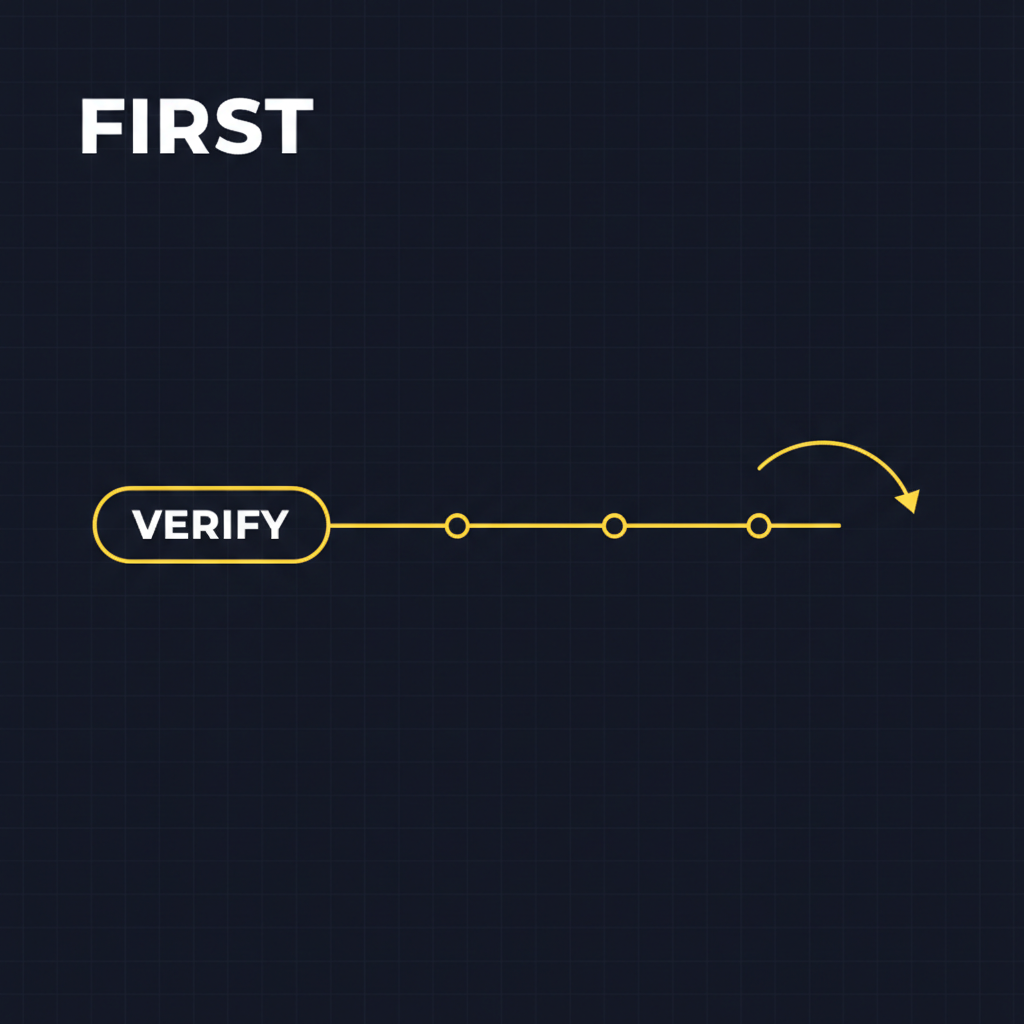
Why Moving Employment Verification Earlier in the Hiring Cycle Reduces Bad Hires
Most companies verify employment after the offer — after interviews, reference calls, and negotiation are already spent on unverified resumes. Move it to right after the phone screen and verification becomes an early filter, not a final gate, so a disqualifying finding costs one phone screen, not the whole funnel.
Read article →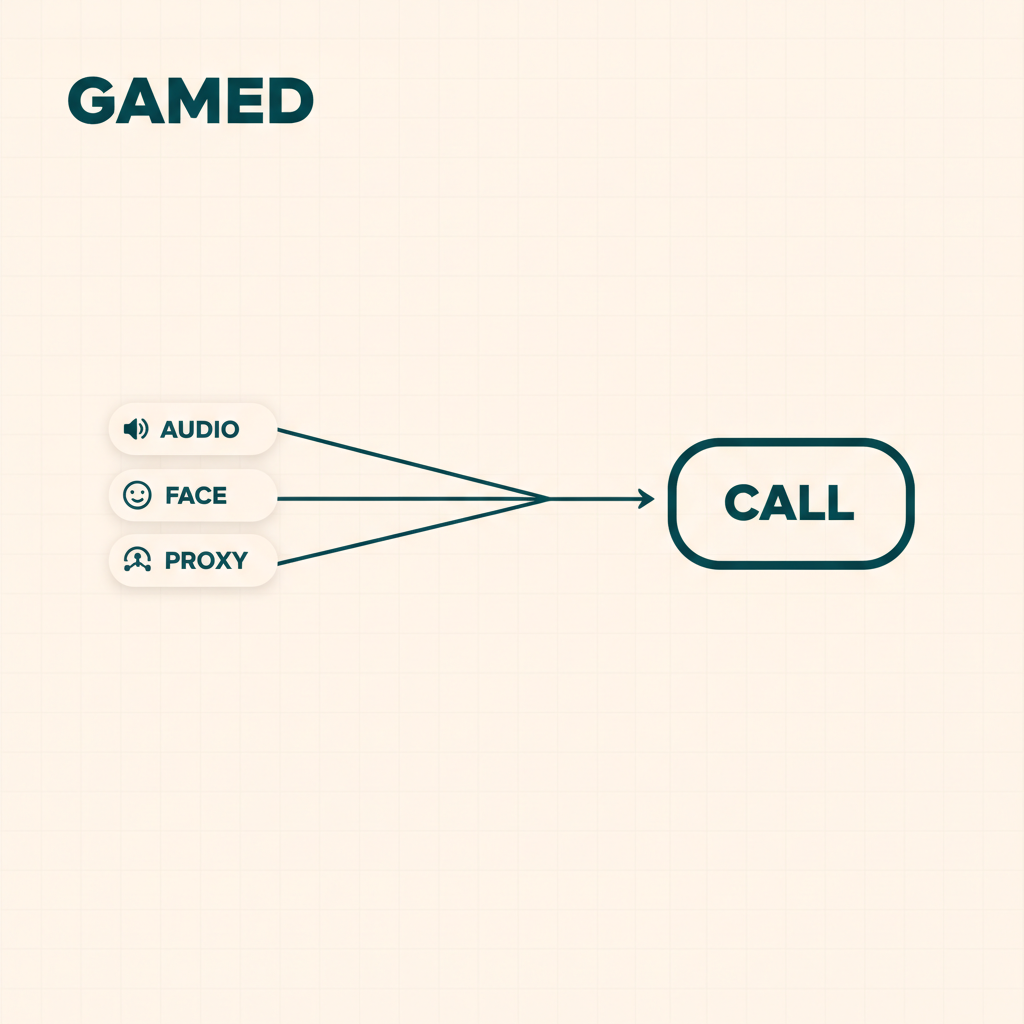
Why You Can't Trust the Video Interview Anymore
Real-time AI overlays, deepfake video, and proxy interviewers let candidates fake their way through video interviews — the performance you evaluate may not belong to the person you hire. Detection is a losing arms race; the fix is verifying employment in parallel with interviews, not after the offer.
Read article →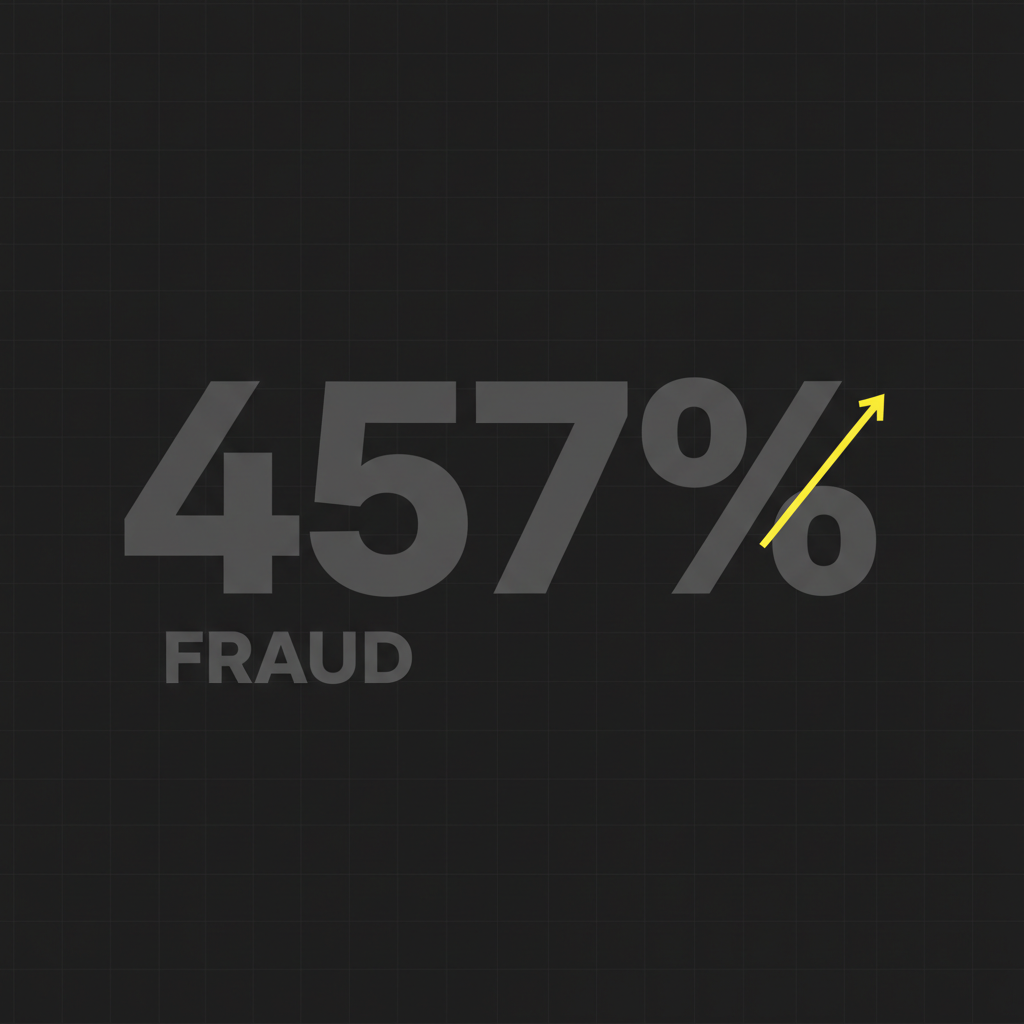
Why Your Hiring Process Can't Catch AI Resume Fraud
Job fraud losses jumped 457% in four years and 44% of applicants admit to lying — yet most enterprise hiring still runs post-offer verification built for 2015. AI made resume fraud cheap and high-volume. The fix isn't harder screening; it's authenticating candidates earlier in the cycle.
Read article →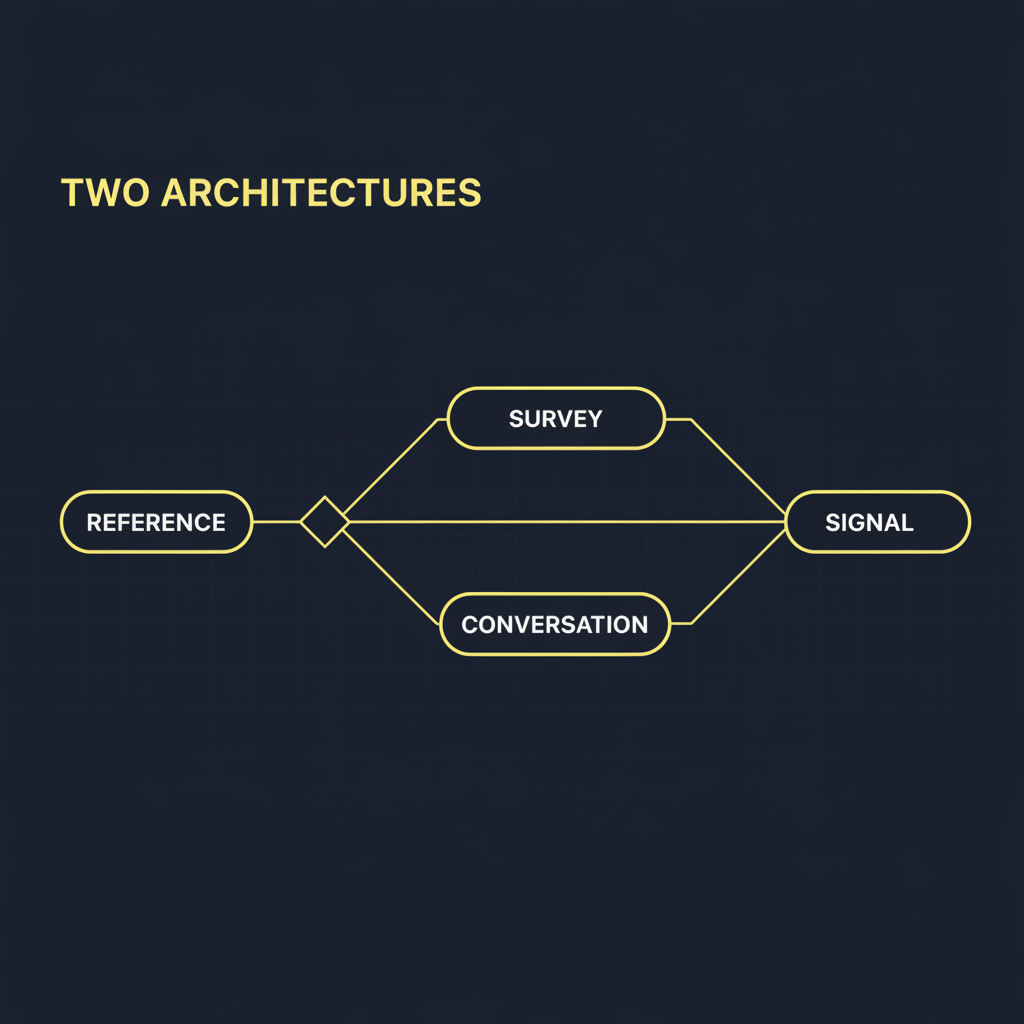
The 9 Best Reference Check Automation Platforms in 2026
Reference check automation splits into two architectures: survey-based tools that scale for volume hiring and conversation-based platforms that capture the nuance senior hires demand. We rank the 9 best platforms for 2026 by signal depth, completion rate, FCRA compliance, and integrations.
Read article →
What Is Income Verification? A Complete Guide
Income verification confirms an applicant's earnings from a third-party source. This guide covers the three methods — payroll database lookup, document review, and employer outreach — plus how it differs from employment verification, FCRA and salary-history compliance, and a framework for choosing the right method.
Read article →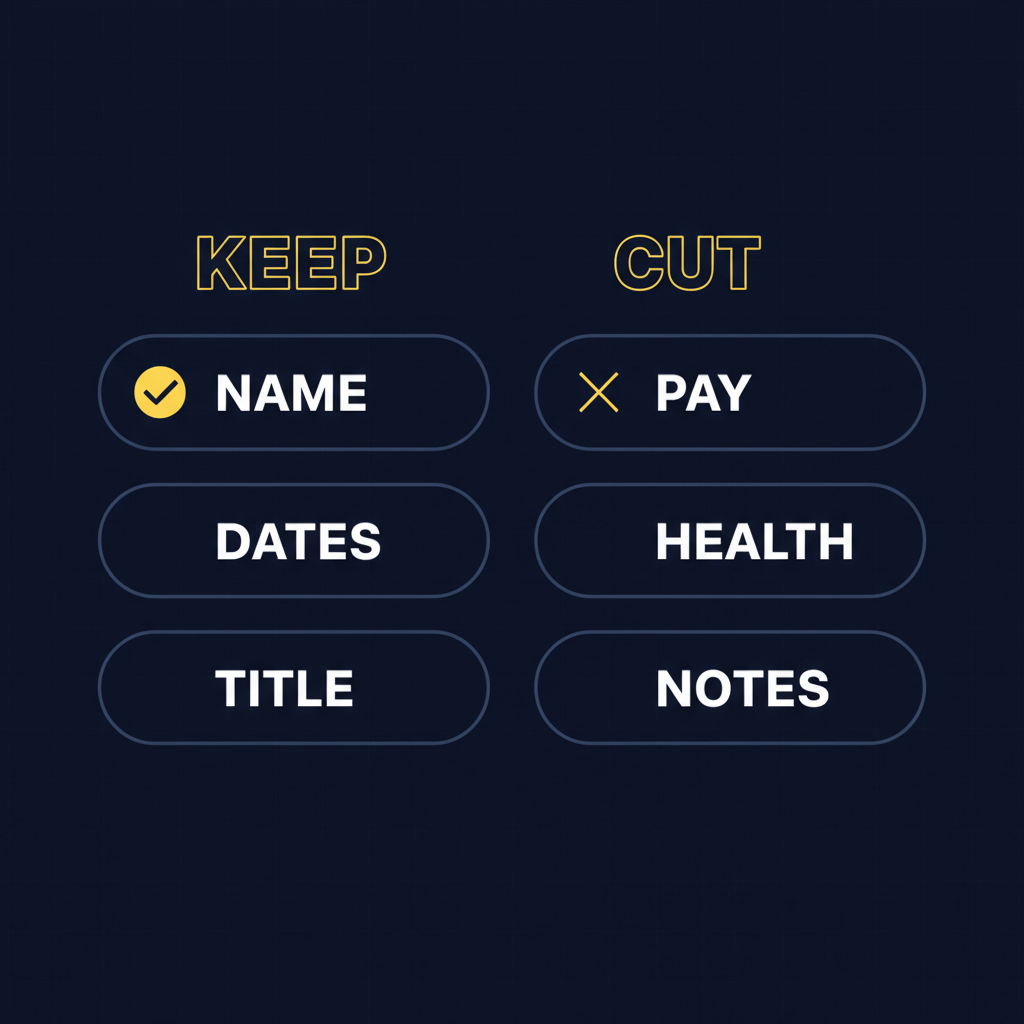
Employment Verification Letter Templates (and What to Include)
The four facts every employment verification letter needs, what to leave out to avoid legal risk, and three copy-ready templates for standard, income, and former-employee requests — plus how to handle the follow-up calls a written letter triggers.
Read article →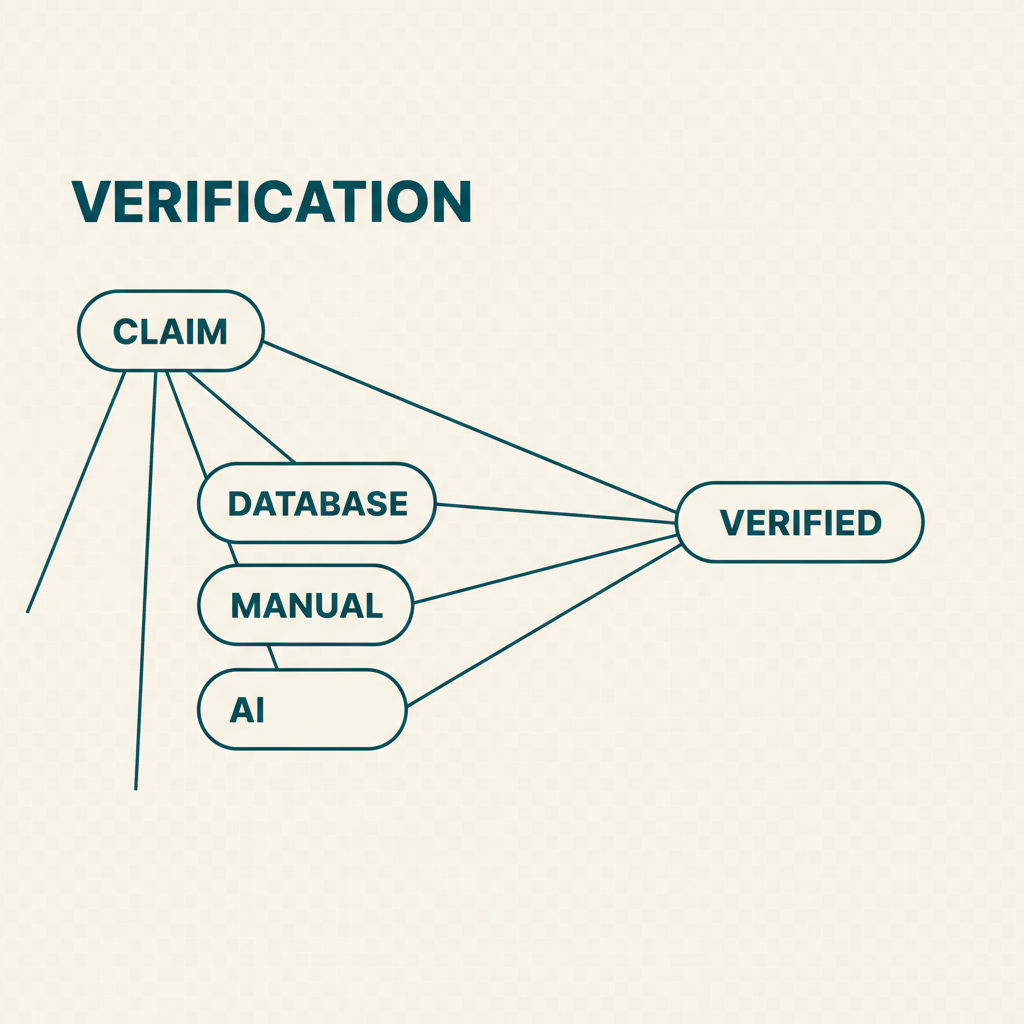
What Is Employment Verification? A Complete Guide
Employment verification confirms a candidate's work history against official employer records. This guide covers the three verification methods — database lookup, manual outreach, and AI-automated outreach — with turnaround benchmarks, FCRA requirements, and when to outsource versus verify in-house.
Read article →
What Happens When The Work Number Can't Verify Your Applicant?
The Work Number covers only about 40% of U.S. employers, so 'no record found' is a routine result — not an edge case. This is the structured fallback waterfall that completes verification when TWN comes up empty: written VOE, borrower-assisted payroll connection, multi-channel manual outreach, and human escalation.
Read article →
How CRAs Scale Employment Verification During Hiring Season Without Adding Headcount
Hiring-season order volume doubles, but the backlog isn't a headcount problem — it's a throughput problem. Why adding verifiers can't fix sequential outreach, and how AI agents running phone, email, and fax in parallel scale CRA employment verification without new headcount.
Read article →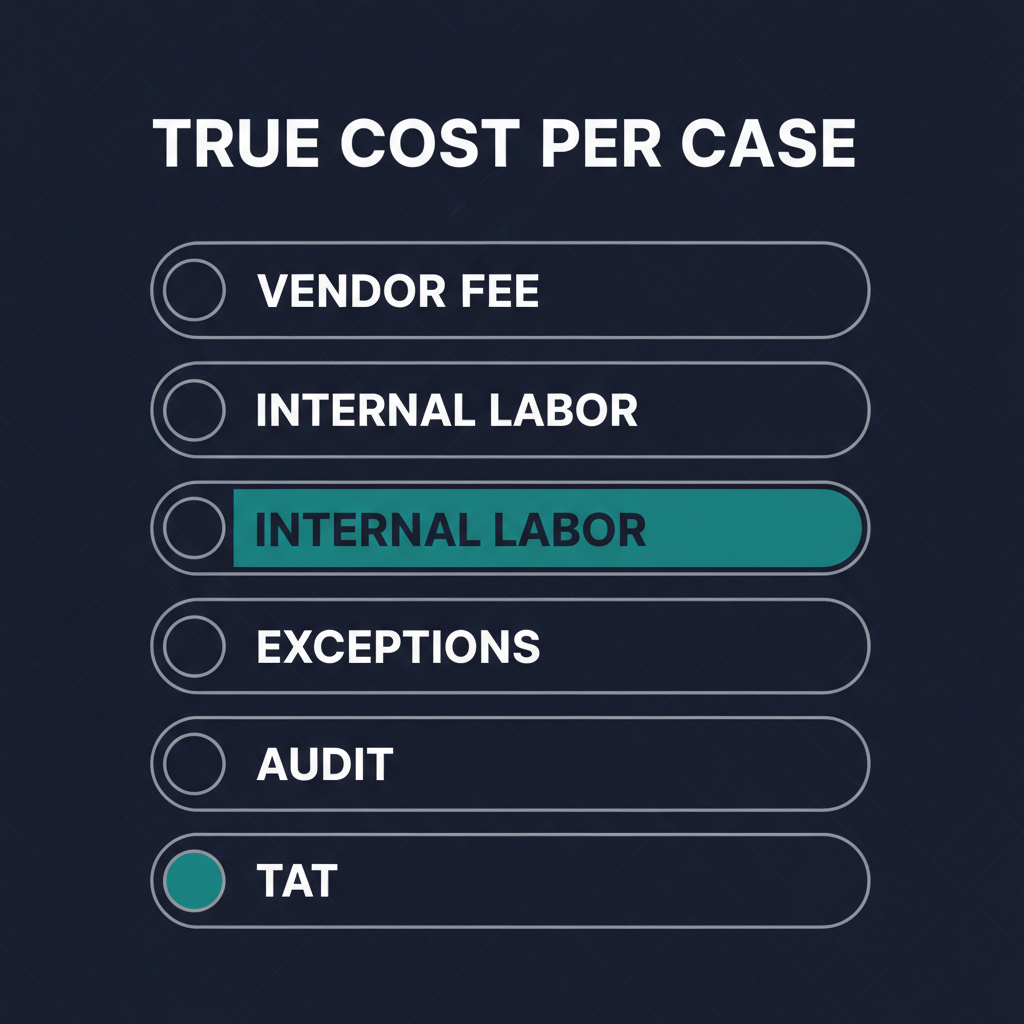
The Real Cost-Per-Case Math for Background Screening Operations
The vendor invoice is 30–40% of your true cost-per-case. The other 60–70% hides in internal labor, retries, exception handling, audit overhead, and the opportunity cost of slow TAT. A six-component framework, a one-week measurement exercise, and the vendor questions that surface what procurement missed.
Read article →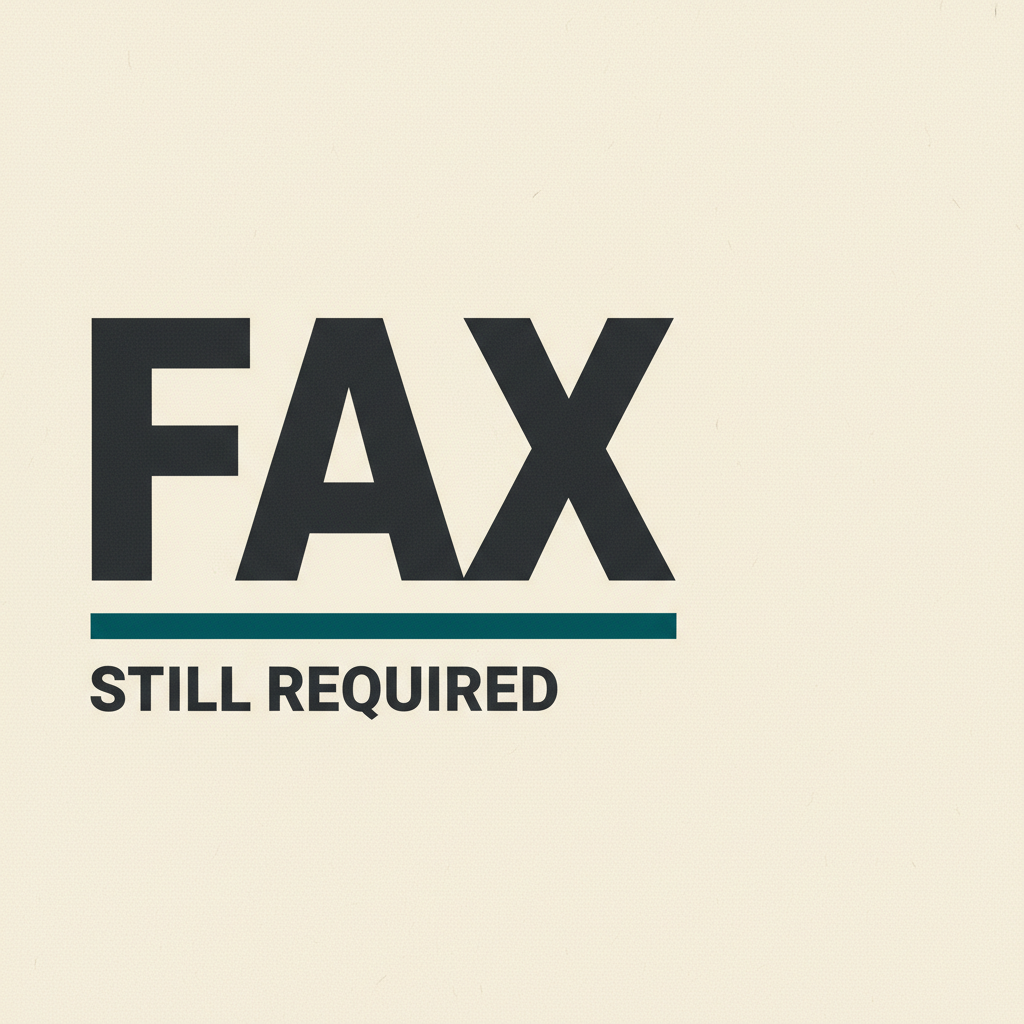
Why Fax Still Matters in Mortgage & CRA Verification (and How to Automate It)
Fax is a mandatory verification channel for healthcare, government, and education employers — not legacy you can skip. Why those employers require fax, how skipping them quietly kills completion rate, and how AI automates the full fax workflow: form selection, sending, parsing, and the FCRA audit trail.
Read article →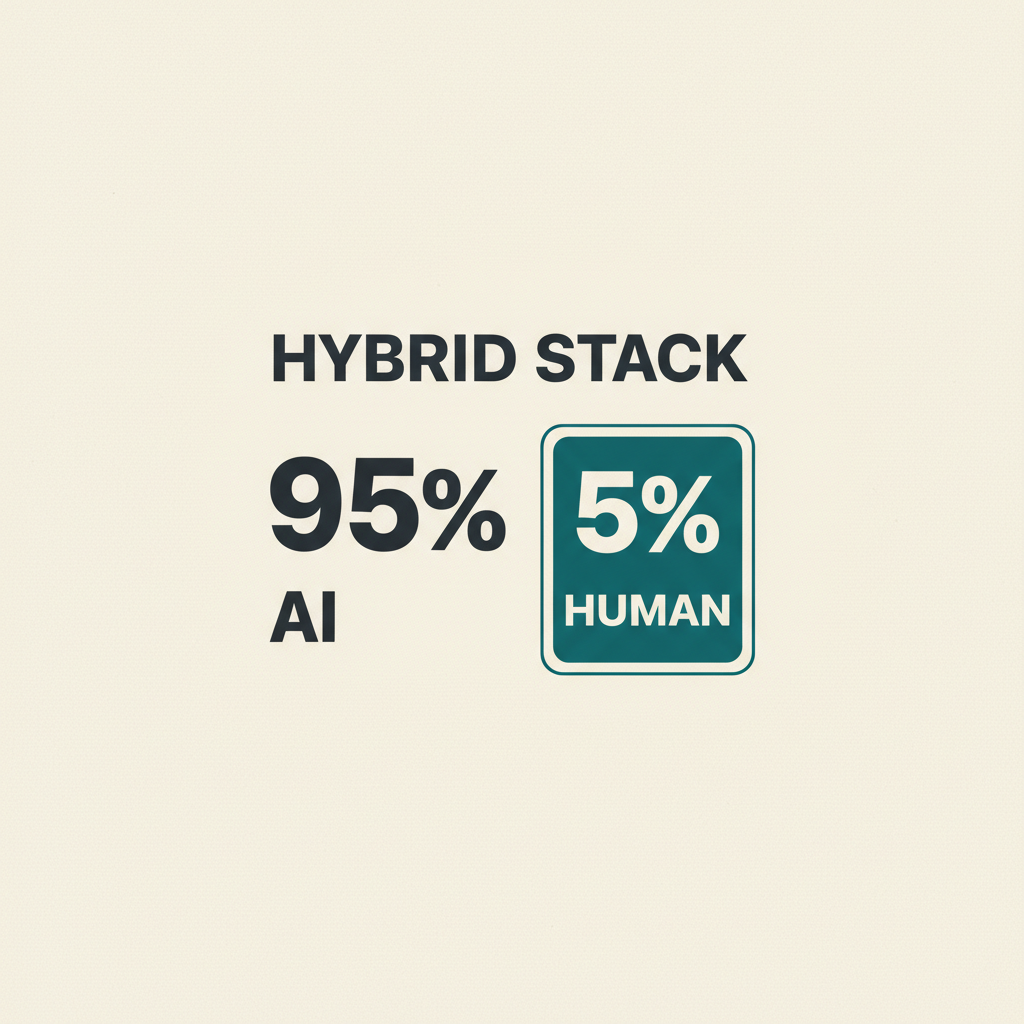
AI Voice for Employer Call Verification: When It Works and When You Still Need a Human
AI voice agents handle most employer verification calls better than humans — but 5–15% of cases still need a person. A field guide to the call types AI breaks on, how to design escalation triggers, and what to ask vendors to find out if their hybrid stack is real.
Read article →
Inside an AI Verification Agent: From 'Call HR' to 'Submit Result'
What an AI verification agent actually does from 'request received' to 'result delivered' — eight stages including contact discovery, IVR navigation, FCRA-compliant HR conversation, data validation, audit-trail recording, exception handling, and structured result delivery.
Read article →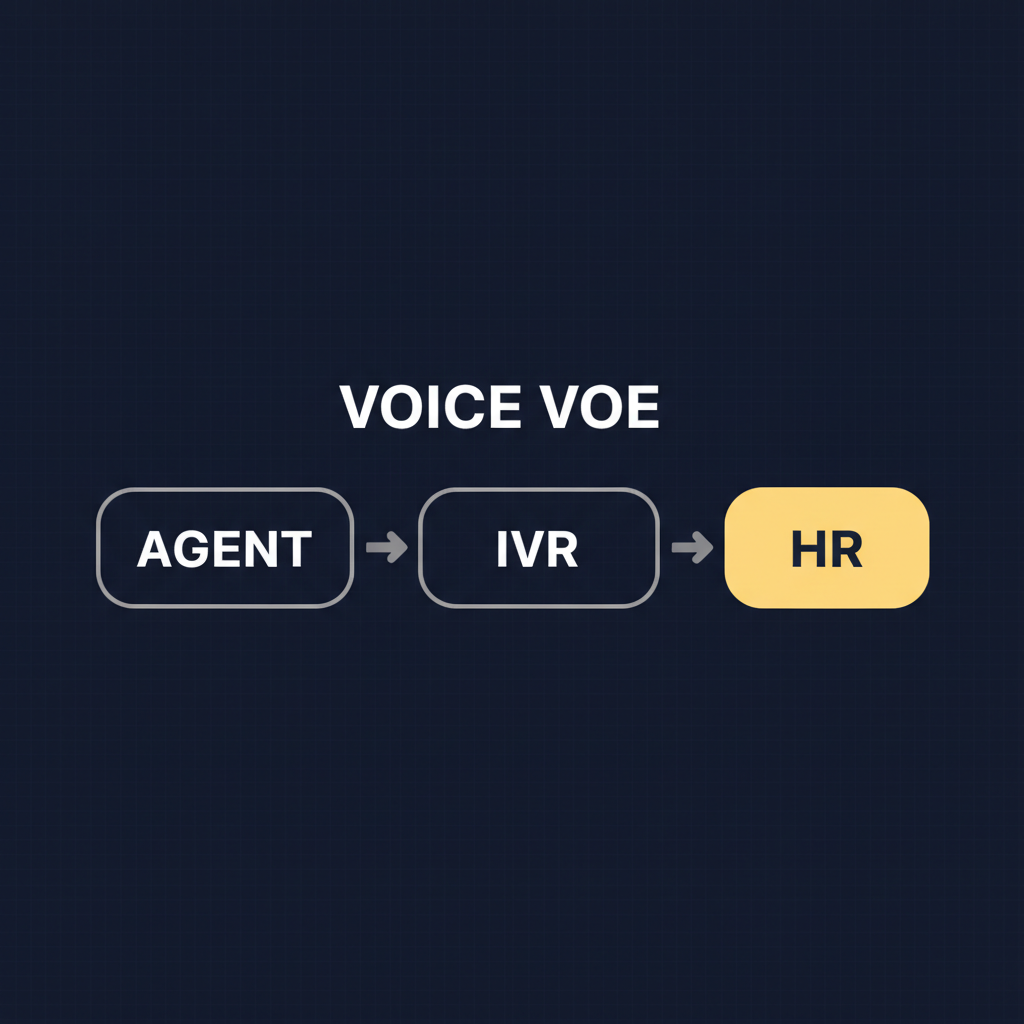
Best AI Voice Agents for Employment Verification Calls (2026)
Nine AI voice agents ranked for employment verification calls — purpose-built platforms vs general-purpose voice infrastructure. Covers Retell AI, Superunit, Bland AI, Vapi, and others, with FCRA, audit-trail, and deployment-time tradeoffs for CRA and mortgage ops teams.
Read article →
Best Employment Verification Platforms for Banks & Financial Institutions (2026)
Banks need a two-layer verification stack: a database-VOE primary for instant hits and an AI-powered manual-fallback layer for the 30–40% of cases databases miss. This guide ranks nine vendors for consumer lending, commercial banking, and credit union operations, with OCC, FDIC, and NCUA audit considerations.
Read article →
CDL Employment Verification: What FMCSA Audit Reviewers Look For
FMCSA reviewers don't audit drivers — they audit your verification process. This guide walks through the specific document requests, follow-up questions, and red flags that appear in FMCSA Compliance Reviews and New Entrant audits, plus a 10-question pre-audit self-check for §391.23 records.
Read article →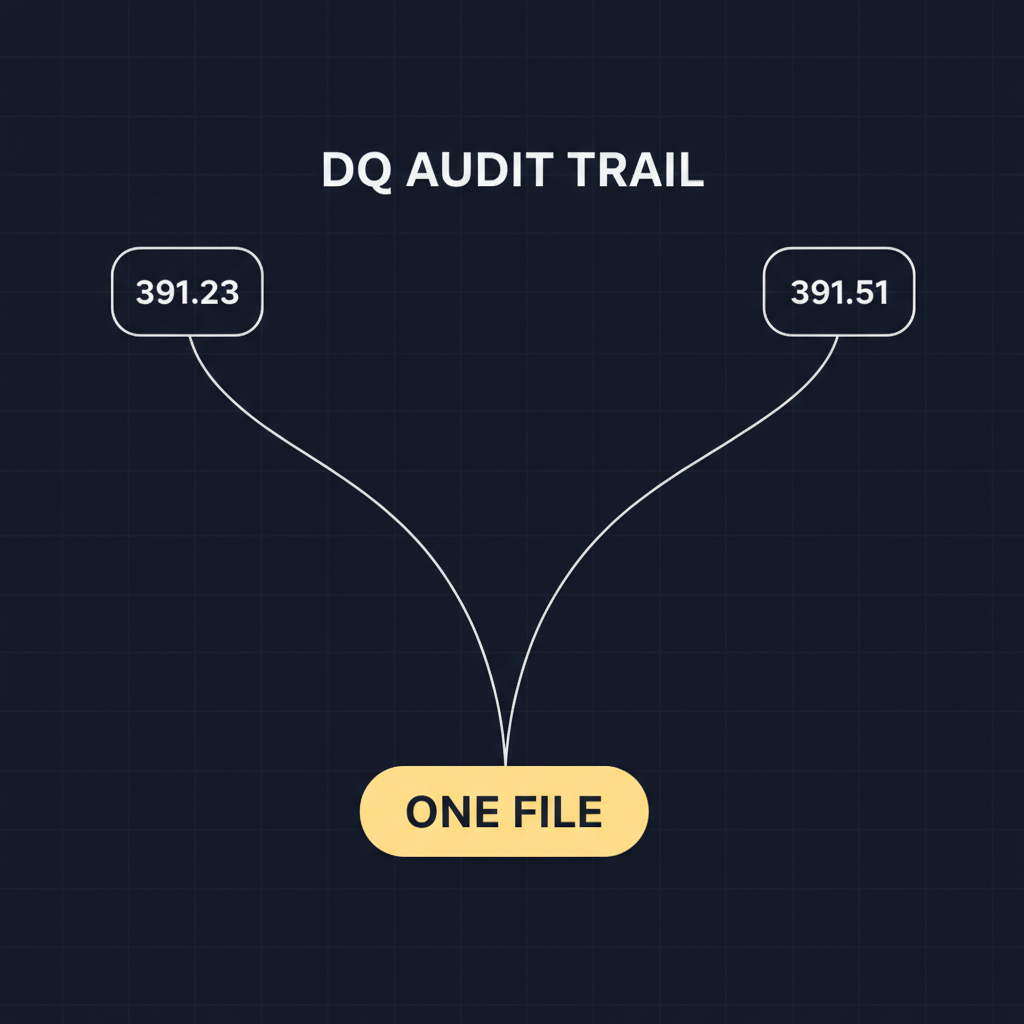
Building a DOT Driver Qualification File Audit Trail (§391.23 + §391.51)
FMCSA reviewers expect §391.23 investigation evidence and §391.51 DQ-file records as a single per-driver audit trail. This guide covers the 7 required documents, the attempt-log layer most carriers miss, the 3-year post-termination retention rule, and how AI verification agents automate the trail.
Read article →
Best DOT Employment Verification Software with Audit-Ready Records for FMCSA Reviews (2026)
Most 'best VOE' lists rank database platforms that cannot satisfy §391.23. This guide ranks only vendors performing direct employer outreach, scored by audit-survivability for FMCSA compliance reviews.
Read article →
FCRA Permissible Purpose: A CRA Vendor Vetting Checklist (2026)
A 27-item FCRA-grounded checklist CRAs can send to verification vendors covering §604 permissible purpose, §1681e(b) chain of custody, §611 dispute readiness, §615 adverse action support, and §607(b) furnisher obligations.
Read article →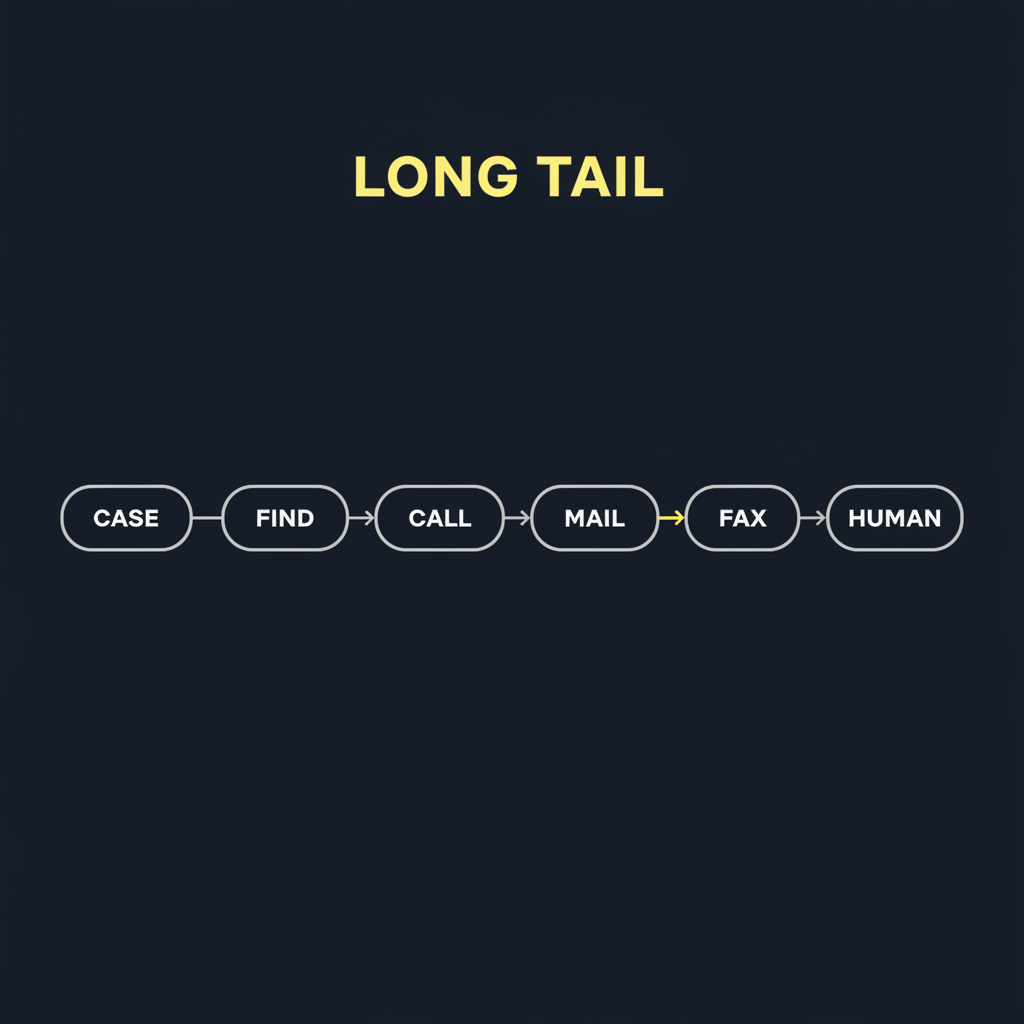
How CRAs Handle the Long Tail of Unresponsive Employers
Roughly 40% of US workers sit outside payroll databases, and that long tail breaks CRA unit economics. A 5-step playbook for AI-driven phone, email, and fax outreach with FCRA-grade documentation.
Read article →
Best Employment Verification Software for CRAs (2026)
Nine employment verification vendors ranked by CRA-fit — channel model, FCRA chain-of-custody, manual outreach, and cost-per-completion. Built for Consumer Reporting Agencies, not employers.
Read article →
How to Choose an Income & Employment Verification Provider for Mortgage Lending
A framework for evaluating mortgage verification providers across four categories — payroll databases, open banking, payroll aggregators, and AI-agent outreach — with criteria for verbal VOE compliance, small-employer completion rates, turnaround within the 10-day window, and cost per success.
Read article →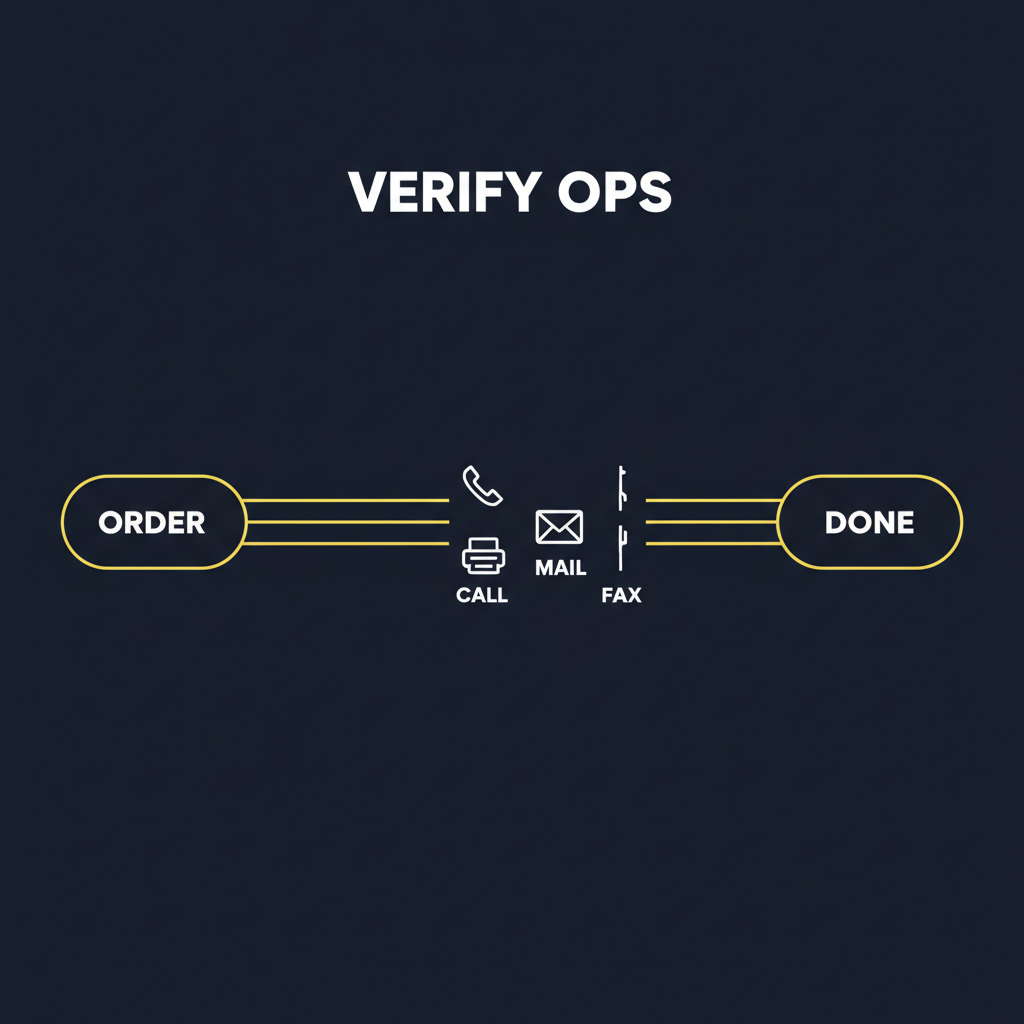
The CRA's Complete Guide to Employment Verification
A framework for evaluating CRA employment verification operations against concrete benchmarks: 62% completion, sub-one-day turnaround, FCRA-compliant documentation. Covers the standard workflow, the hard-to-reach employer playbook, and how to decide between building, outsourcing, or automating.
Read article →
Written VOE for Mortgage Lenders: Requirements, Challenges, and How to Get It Done
Written VOE depends on employer cooperation inside a 10-business-day pre-closing window. Learn when Fannie Mae and Freddie Mac require Form 1005, why completion stalls with small employers, and how AI-driven simultaneous phone/email/fax outreach closes verifications faster than sequential manual processes.
Read article →
How to Outsource Employment Verification and Reduce Staffing Costs
Outsourcing employment verification turns fixed HR headcount into variable per-verification cost and compresses turnaround from days to under one. A guide for CRAs and HR ops on vendor evaluation, ROI math, common objections, and what to expect after switching.
Read article →
Pre-Closing Employment Reverification: How to Complete the 10-Day Rule
An operational guide to Fannie Mae and Freddie Mac's 10-business-day pre-closing VVOE — what the rule requires, accepted formats, what to do when employers don't pick up, documentation that survives audit, and the four mistakes that delay closings.
Read article →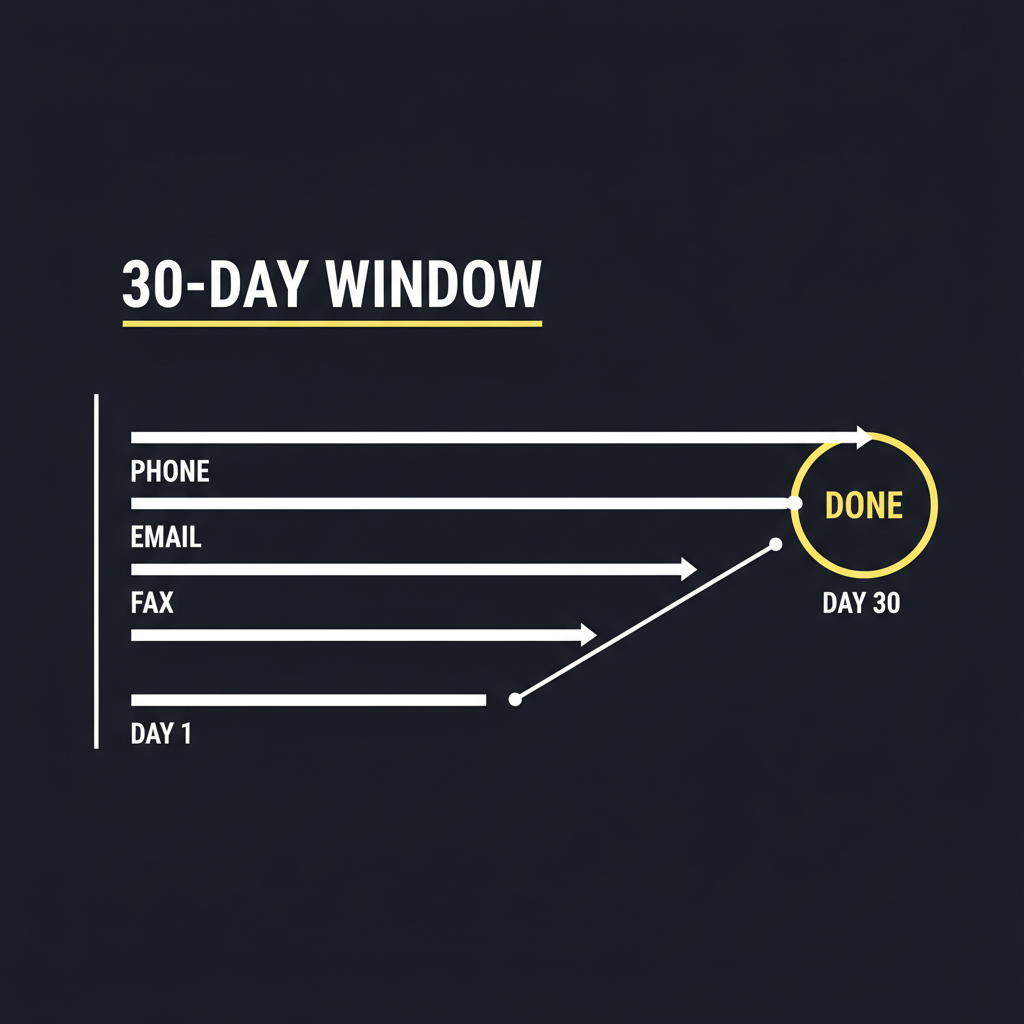
How to Execute FMCSA-Compliant DOT Previous Employment Verification
An operational guide for CRAs on building a 49 CFR 391.23 verification workflow that survives FMCSA audits — three-year lookback, 30-day window, simultaneous multi-channel outreach, and audit-ready documentation for small, defunct, and unresponsive carriers.
Read article →
Verbal VOE for Hard-to-Reach Employers: A Mortgage Lender's Guide
Mortgage lenders often struggle with verbal VOE for small, hard-to-reach employers, delaying closings and increasing costs. Discover how AI-driven multi-channel outreach efficiently verifies employment, ensuring compliance and streamlining the loan process to prevent costly delays.
Read article →
Which Department to Call for Employment Verification (And What to Do When You Can't Get Through)
A practical guide for mortgage processors and background screeners on which department to call for employment verification by employer size, how to document every attempt, and what to do when employers refuse or don't pick up.
Read article →
How AI-Powered Employment Verification Creates a Complete Audit Trail
Manual employment verification produces answers but not defensible records. Here's how AI-powered verification automatically captures call recordings, transcripts, timestamps, and chain of custody — meeting the documentation standards required by FCRA, Fannie Mae, Freddie Mac, and FMCSA.
Read article →
Best Employment Verification Platforms for Mortgage Lenders 2026
Mortgage lenders need a tiered approach for employment verification in 2026. This guide compares seven platforms, highlighting Superunit's role in closing the gap for small employers missed by database and payroll systems with documented AI outreach. Discover the best tools for compliance and faster closings.
Read article →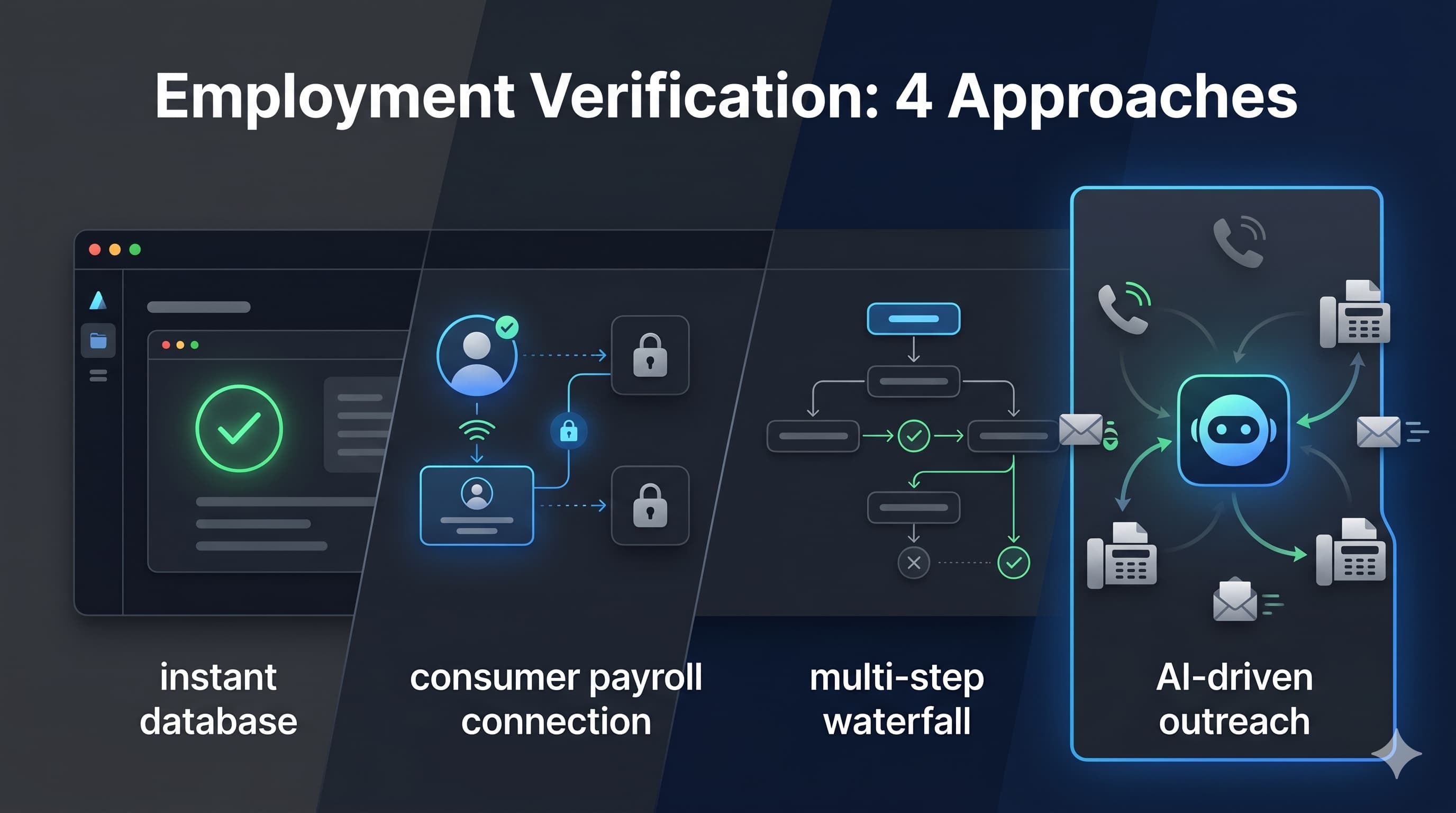
Argyle vs. Truework vs. The Work Number vs. Superunit: Employment Verification Compared 2026
Equifax raised The Work Number's prices in January 2026. Here's how Argyle, Truework, The Work Number, and Superunit compare on coverage, pricing, turnaround time, and use case fit — and which one wins when databases return no result.
Read article →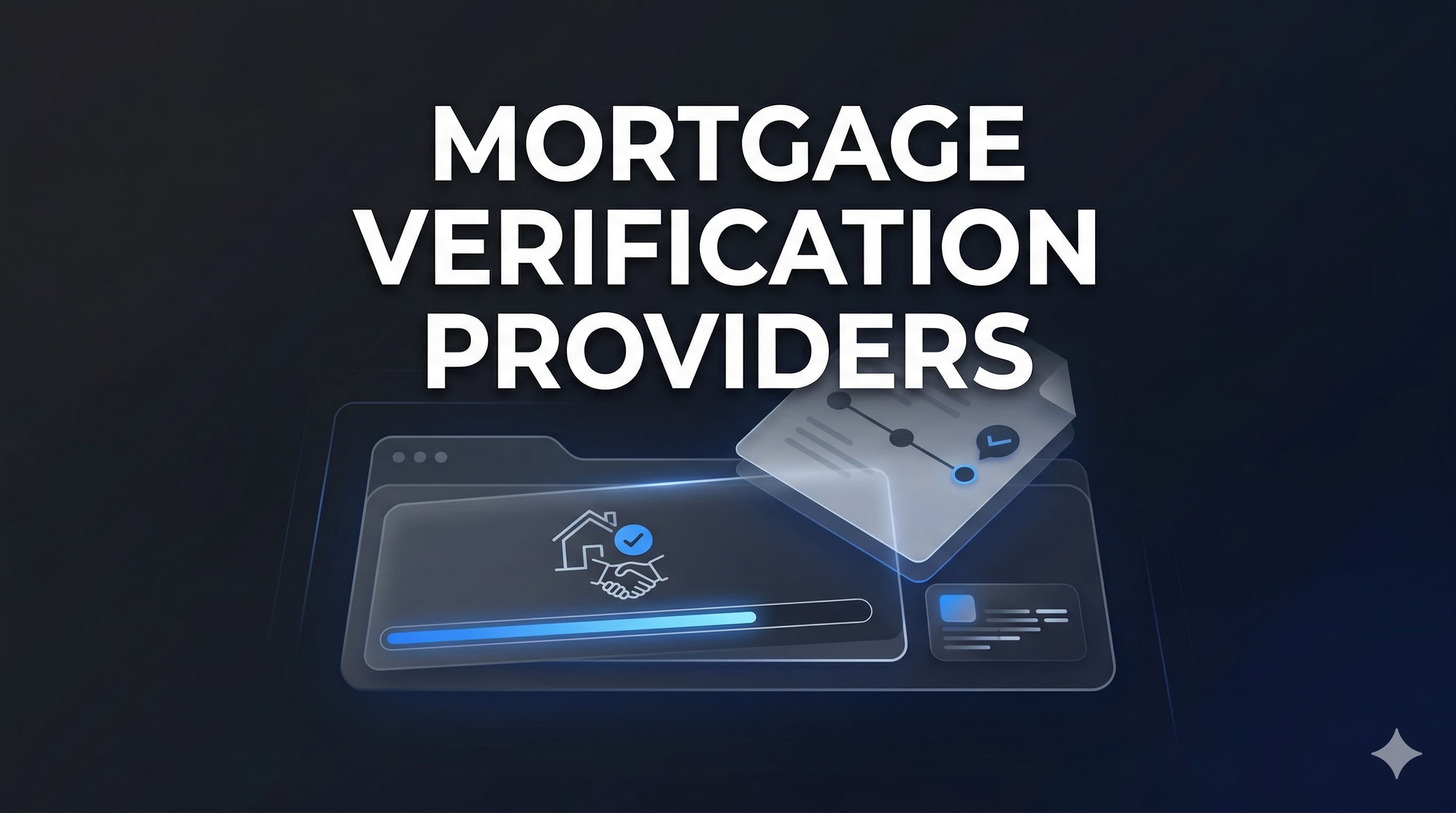
Mortgage Employment Verification Providers: How to Compare VOE and VOI Options
Neutral comparison of mortgage employment verification providers across payroll connectivity, database, manual outreach, and orchestration models, with guidance on evaluating VOE and VOI vendors by completion rate, turnaround time, compliance, auditability, and LOS integration.
Read article →
Best Employment Verification Platforms for 2026
A buyer-oriented comparison of the best employment verification platforms for 2026, covering how leading vendors differ on workflow model, API depth, turnaround time, auditability, coverage, and pricing. The article helps lending, background screening, and verification operations teams choose the right platform based on use case rather than generic rankings.
Read article →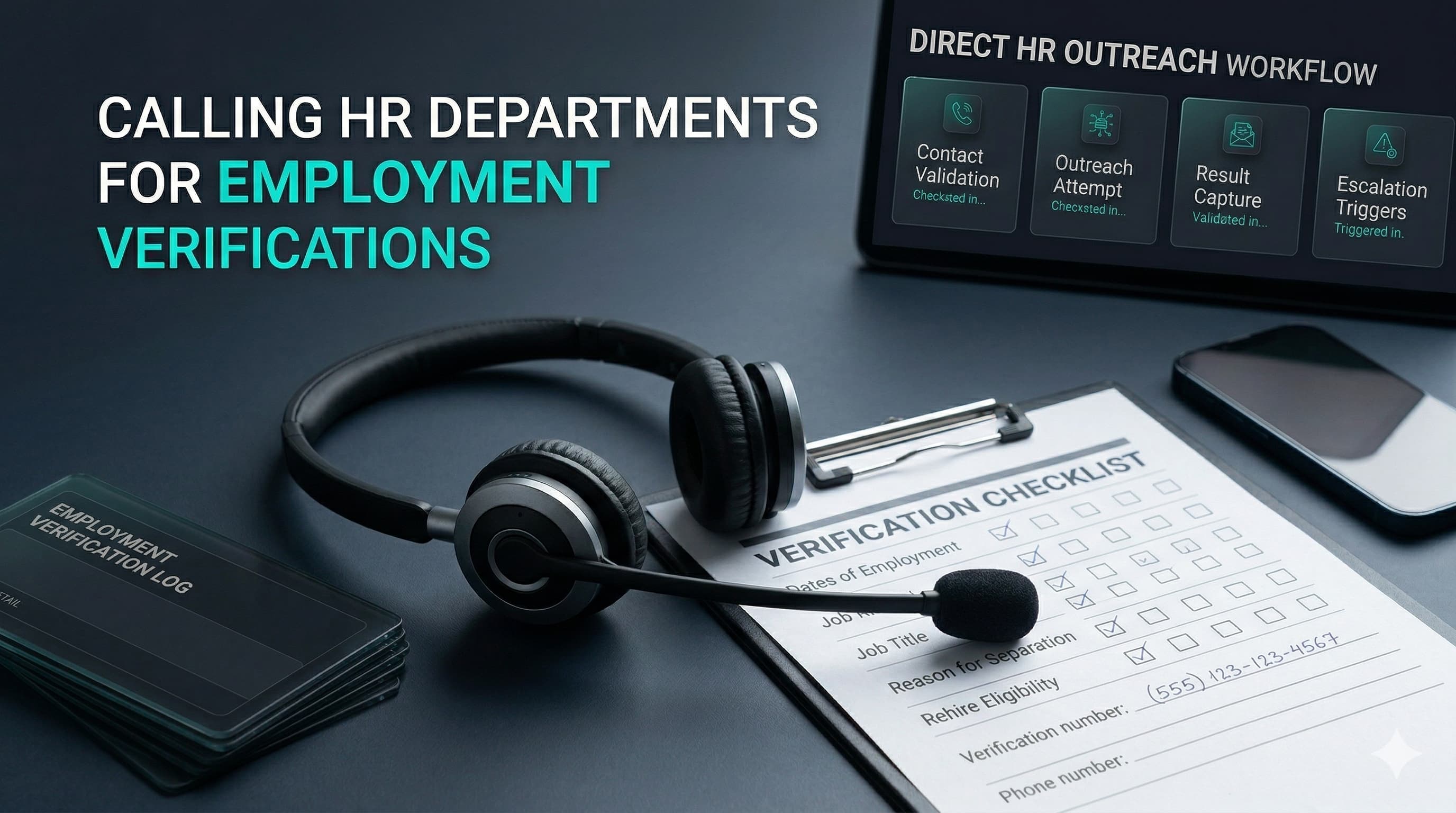
Calling HR Departments for Employment Verifications
Direct HR outreach is often the fallback when automated employment verification fails or employers are hard to reach. This article explains how phone-based verification workflows work, why response rates vary, what should be documented after each attempt, and how to evaluate providers based on escalation discipline, turnaround time, and audit-ready records.
Read article →Employment Verification API for Fast, Compliant Verifications
Employment verification APIs replace manual employer outreach with structured, programmable workflows for confirming employment and sometimes income. This article explains how these APIs work, what response data buyers should expect, which compliance and audit controls matter, and how to evaluate vendors based on coverage, reliability, integration fit, and production readiness rather than demo speed alone.
Read article →
Employment Verification Outsourcing: A Guide for Lean HR Teams
Employment verification outsourcing reduces manual HR workload, speeds routine verifications, and improves control over data release. It works best for lean teams with high request volume, but employers still retain compliance and oversight responsibility.
Read article →
Manual Income Verification Services: The Complete Employer Outreach and Documentation Guide
Manual income verification fills the gaps automated data sources miss. This guide explains how employer outreach, document review, and audit-ready documentation work across lending, mortgage, and tenant screening workflows.
Read article →
Verbal VOE for Mortgage: Process, Compliance, and Turnaround
Mortgage verbal VOE is a pre-closing employment check that helps lenders confirm a borrower is still employed before the note date. This article explains the process, documentation and compliance requirements, common failure points, and how to evaluate providers based on turnaround time, employer outreach, and audit-ready records.
Read article →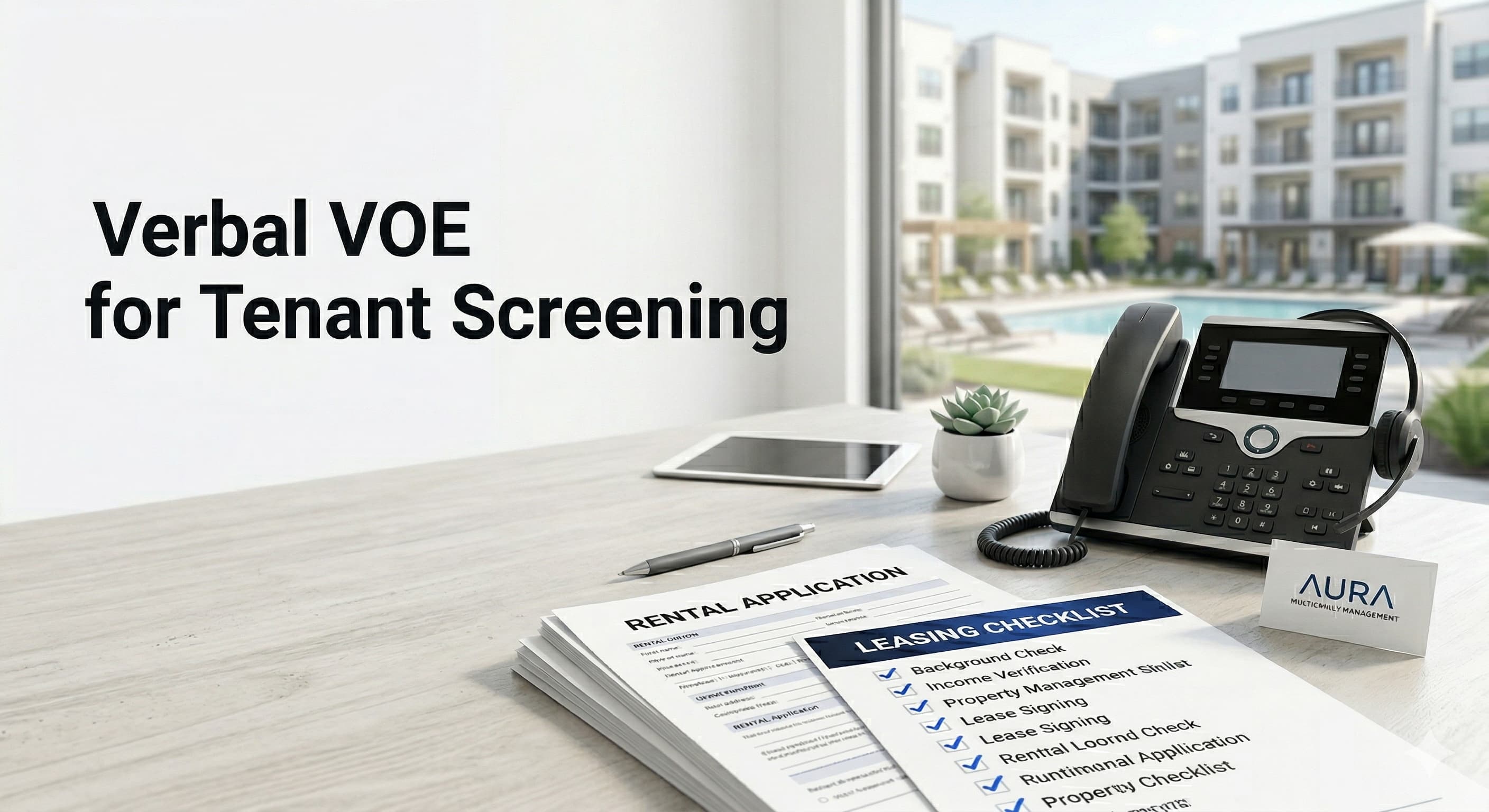
Verbal VOE for Tenant Screening: Speed, Process, and Documentation
Verbal verification of employment (VOE) helps leasing teams confirm real-time employment when applicant documents are unclear or incomplete. This post explains when to use VOE, how it fits into tenant screening workflows, and how to run it in a fast, consistent, and audit-ready way. It’s a practical guide for property managers looking to reduce risk and speed up approvals.
Read article →
DOT Employment Verification: A Complete Guide for Trucking Companies and Background Check Providers
DOT employment verification requirements differ significantly between FMCSA and PHMSA. This guide covers both frameworks, breaks down the step-by-step process for trucking companies and background check providers, and addresses the bottlenecks that make DOT checks slower than standard employment verifications.
Read article →
Employment Verification Before the Offer Letter: A Complete Guide
Employment verification before the offer letter reduces rescinded offers, catches resume fraud early, and keeps hiring pipelines clean. This guide covers what employers can legally verify pre-offer, how FCRA and ban-the-box laws shape timing, and a step-by-step process from consent to documentation. Includes a comparison of manual, CRA, and AI-automated verification methods — and how AI has compressed average turnaround from 3–5 business days to under one.
Read article →
How to Handle Inbound Employment Verification Requests: A Guide for HR Teams
When a background screener or mortgage lender calls to verify an employee's work history, how HR responds carries real legal and operational risk. This guide covers what to disclose, what to avoid, and how high-volume employers are automating inbound verification calls entirely — consistent responses, full audit trail, zero HR interruption.
Read article →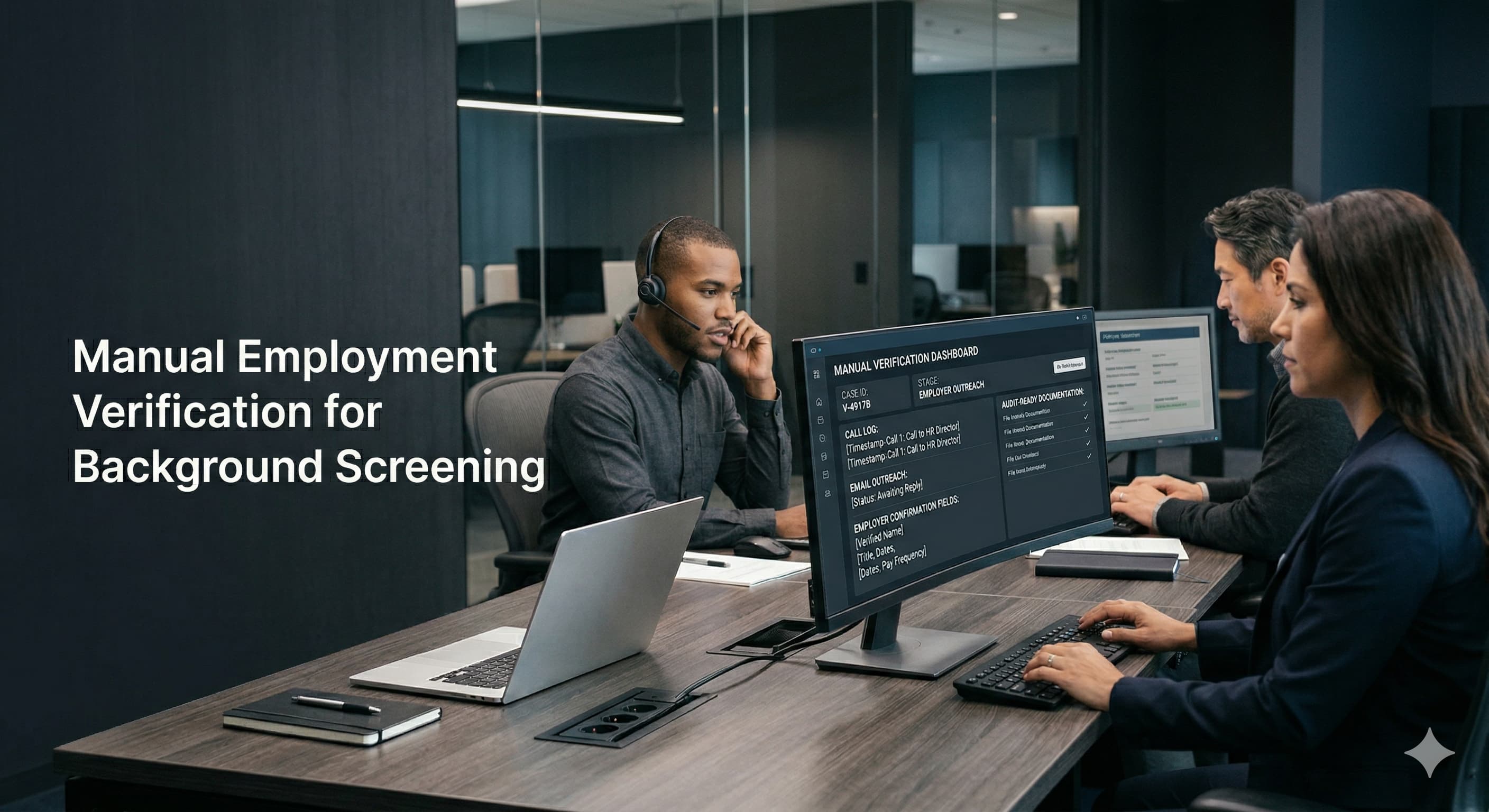
Manual Employment Verification for Background Screening
Manual Employment Verification for Background Screening Automated employment verification works until it doesn't. When a candidate's prior employer is a 12-person landscaping company with no…
Read article →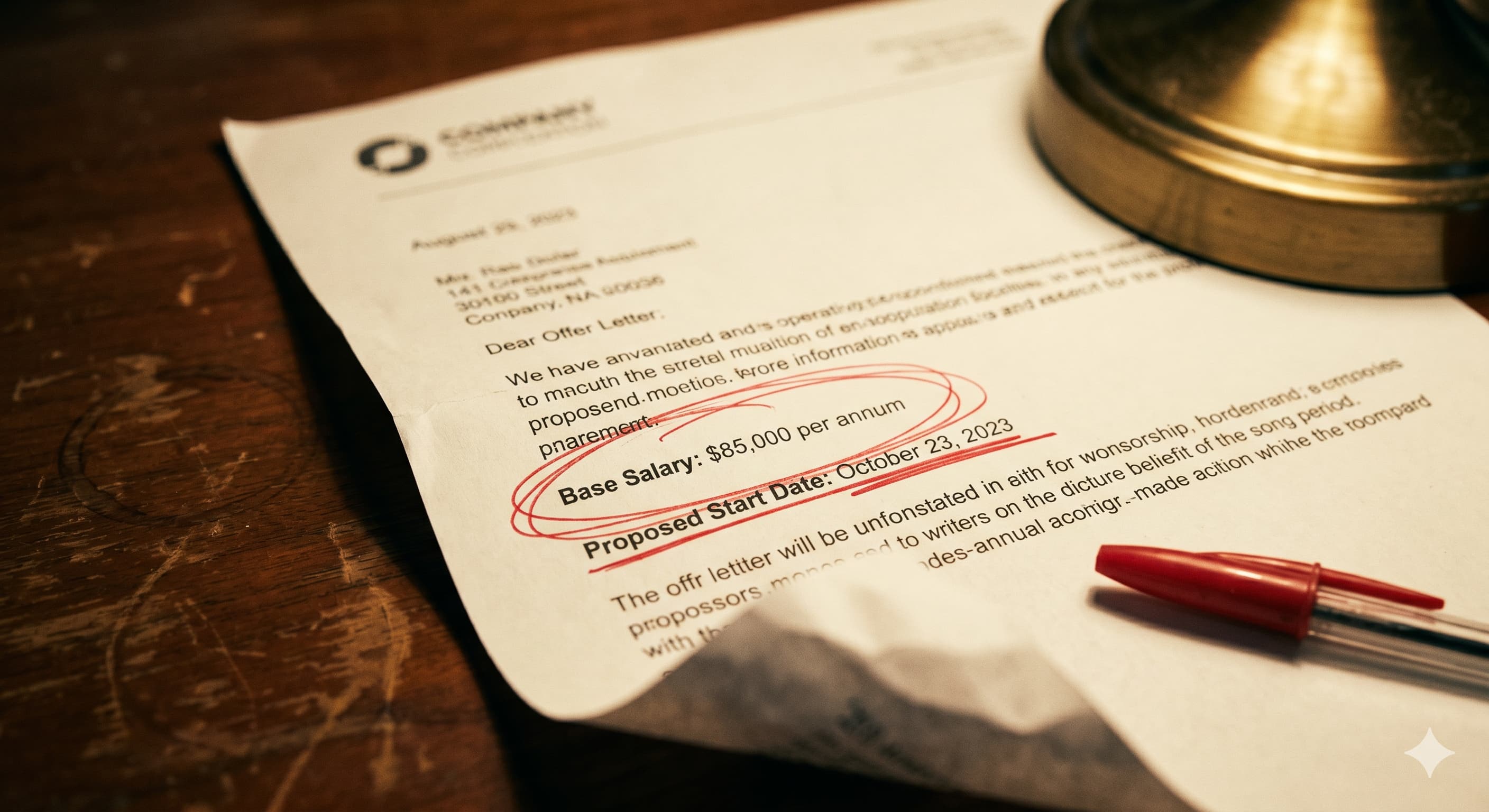
Offer Letter Verification for Landlords: A Complete Guide
Offer letters are increasingly common from new-hire rental applicants — but they're also easy to fake and impossible to cross-reference without pay stubs. This guide covers what a credible offer letter must include, how to spot a fraudulent one, and the exact steps to verify it directly with the employer. Plus: when manual verification breaks down at scale and how AI-powered verbal VOE automates the employer outreach step.
Read article →