Employment verification requests land in your inbox daily. Former employees need proof of income for mortgage applications. Current staff require confirmation letters for apartment rentals. Background screening companies demand written documentation for new hires at other firms.
A properly formatted employment verification letter stops most requests cold. It provides the essential facts—employment dates, job title, current status—without exposing your company to legal risk or privacy violations.
But here's what most HR teams discover too late: sending a written letter often triggers a second wave of inbound calls. Mortgage processors want verbal confirmation. Rental agents need clarification on employment status. Third-party verifiers call to authenticate the letter itself.
What Is an Employment Verification Letter?
An employment verification letter is a formal document confirming an individual's work history, job title, and employment status with your organization. The letter serves as official proof that someone works or worked for your company during specific dates.
Mortgage lenders request these letters to verify borrower income. Landlords use them to confirm tenant employment before lease approval. Background screening companies collect them as part of pre-employment checks for other employers.
You're legally obligated to provide accurate information when responding to legitimate verification requests. Federal and state laws require employers to confirm basic employment facts, though you control how much detail to include beyond the minimum requirements.
What to Include -- and What to Leave Out

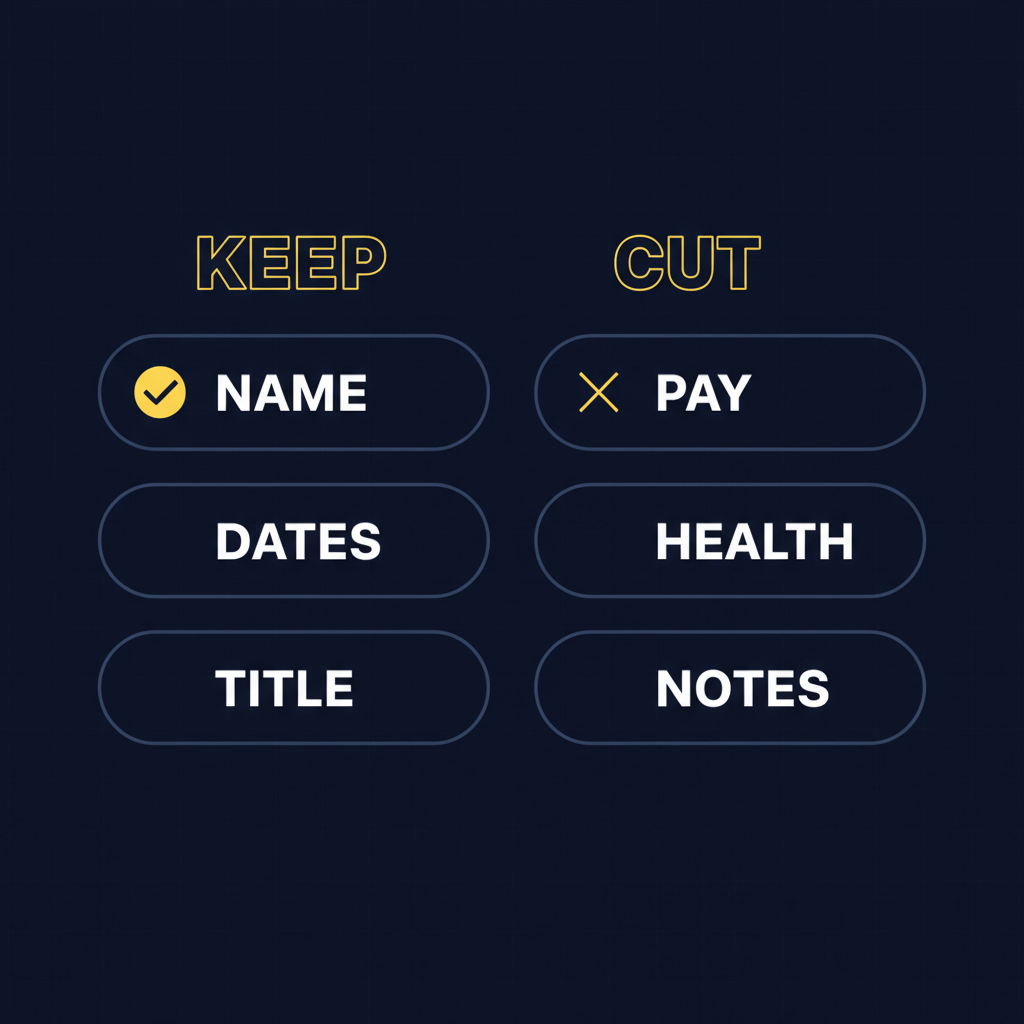
Employment verification letters require four essential elements: the employee's full name, job title, employment dates (start and end if applicable), and current employment status. Include the company's official letterhead, contact information for follow-up questions, and an authorized signature from HR or management.
Salary information belongs in the letter only when explicitly requested and legally permissible. Twenty-one states have enacted salary history bans that restrict when employers can disclose previous compensation. California, New York, and Massachusetts lead this trend, with penalties for violations reaching thousands of dollars per incident.
Never include medical information, workers' compensation claims, or disability accommodations in verification letters. The Americans with Disabilities Act strictly prohibits disclosure of health-related employment details. Performance evaluations, disciplinary actions, and subjective commentary about work quality also create unnecessary legal liability.
Stick to objective, verifiable facts. "John Smith worked as Senior Analyst from January 2020 to present" passes legal scrutiny. "John Smith was an exceptional employee who exceeded expectations" invites discrimination claims if the next verification letter uses different language.
Former employees require extra caution. Confirm only the dates of employment and last held position. Avoid stating reasons for departure, rehire eligibility, or whether the termination was voluntary. These details serve no verification purpose and expose your company to wrongful termination or defamation claims.
When salary disclosure is both requested and legal, specify whether the figure represents base salary, total compensation, or hourly wages. Ambiguity here forces follow-up calls that defeat the purpose of providing written verification.
Three Copy-Ready Templates
These templates handle 90% of employment verification requests. Copy the appropriate version, fill in your employee's details, and send on company letterhead.
Template 1: Standard Employment Verification (No Salary)
Use this template when the request doesn't specify income information or when state salary history laws restrict disclosure:
[Company Letterhead]
[Date]
To Whom It May Concern:
This letter confirms that [Employee Full Name] is currently employed with [Company Name] as a [Job Title] since [Start Date]. [He/She/They] works on a [full-time/part-time] basis.
[Employee Name]'s employment status is active and in good standing as of the date of this letter.
If you require additional information, please contact our HR department at [phone number] or [email address].
Sincerely,
[HR Representative Name] [Title] [Company Name] [Phone Number]
This format satisfies most landlord applications, background checks, and general employment confirmations without exposing salary data that could trigger legal complications in states with pay equity laws.
Template 2: Employment + Income Verification
Mortgage lenders and auto financiers demand income proof alongside employment confirmation. This template satisfies both requirements in a single document that reduces back-and-forth between your HR team and the requesting party.
[Company Letterhead]
EMPLOYMENT AND INCOME VERIFICATION
Date: [Current Date]
To Whom It May Concern:
This letter confirms that [Employee Full Name] is currently employed with [Company Name] as a [Job Title] since [Start Date].
Current Employment Details:
- Employment Status: Full-time/Part-time
- Annual Salary: $[Amount] (or Hourly Rate: $[Amount] per hour)
- Average Weekly Hours: [Number]
- Pay Frequency: [Weekly/Bi-weekly/Monthly]
- Next Performance Review: [Date, if applicable]
This information is provided based on our current records. [Employee Name]'s employment and compensation are subject to standard company policies and procedures.
Please contact our HR department at [Phone] or [Email] if you require additional verification.
Sincerely,
[HR Representative Name] [Title] [Company Name] [Phone Number] [Email Address]
Important: Include only current compensation data. Avoid historical salary information, especially in states with salary history bans like California, New York, and Massachusetts.
Template 3: Employment Verification for a Former Employee
When verifying employment for terminated employees, restrict your letter to basic factual confirmation. Avoid editorial commentary about performance, termination circumstances, or future hiring decisions that could expose your company to legal claims.
[Company Letterhead]
Employment Verification
To Whom It May Concern:
This letter confirms that [Employee Name] was employed by [Company Name] from [Start Date] to [End Date]. During this period, [he/she/they] held the position of [Job Title] in our [Department Name].
This verification is provided for informational purposes only and does not constitute a recommendation or endorsement.
If you require additional information, please contact our HR department at [phone number] or [email address].
Sincerely,
[HR Representative Name] [Title] [Company Name]
What to exclude: Never include termination reasons, disciplinary actions, rehire eligibility status, or performance evaluations. These details invite legal challenges and wrongful termination claims. Some states prohibit employers from providing negative references entirely.
Stick to dates, title, and department. Former employees retain the right to accurate employment verification regardless of departure circumstances, but accuracy doesn't require editorial judgment.
How to Send It: Delivery Methods and Turnaround Expectations
Most employment verification requests specify the delivery method, and ignoring these requirements wastes your time. Mortgage lenders typically demand fax transmission or wet signatures on company letterhead — email attachments get rejected by their compliance departments. Background screening companies often provide secure upload portals with specific formatting requirements.
Check the requester's instructions before choosing your delivery method. Property management companies usually accept email, but major banks require faxed letters with original signatures. When in doubt, fax the signed letter and follow up with an email copy — this covers both digital processing needs and legal signature requirements.
Standard turnaround expectations run 3-5 business days for routine requests, though mortgage lenders often push for 24-48 hour responses during closing deadlines. Document your response time in your HR files — this protects you if disputes arise later about delayed verifications.
What Happens After You Send the Letter
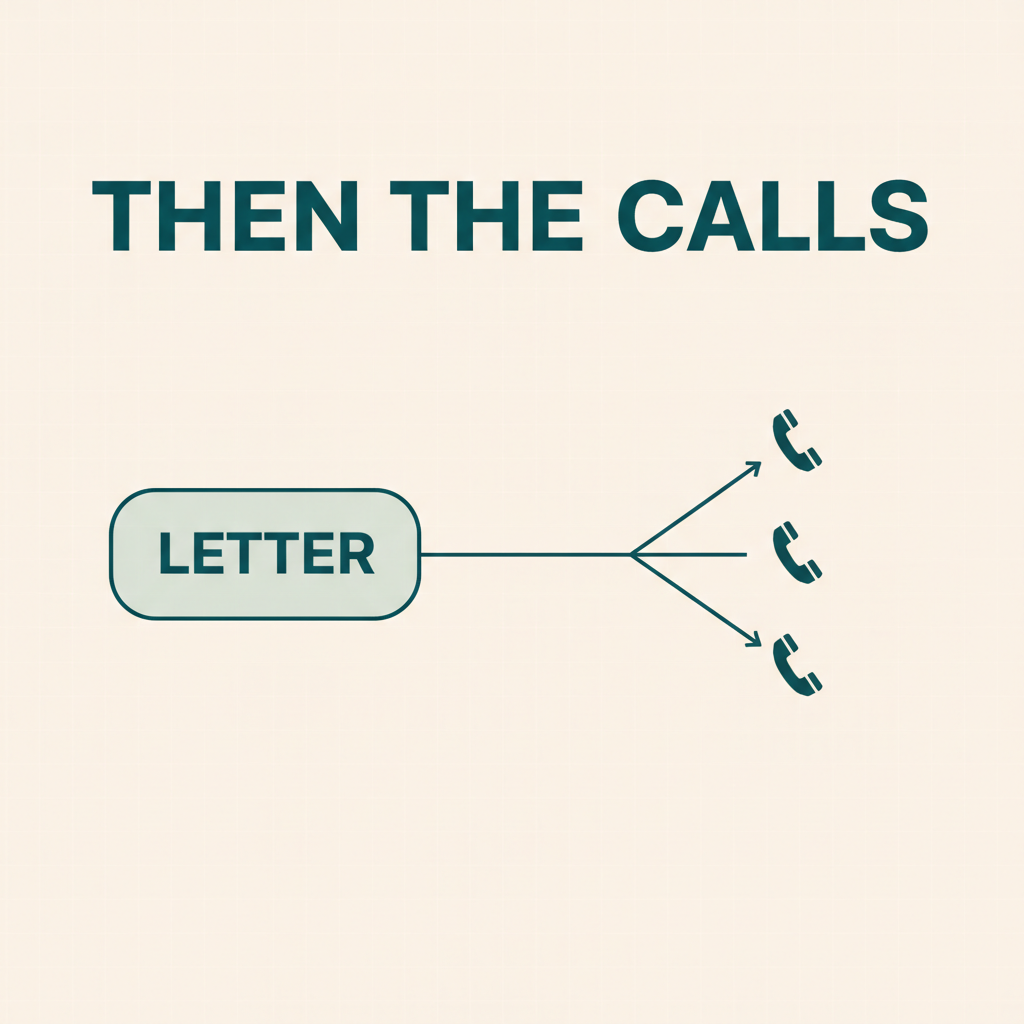
Written verification letters solve the documentation requirement, but they create a new operational problem: follow-up phone calls. Third-party verifiers routinely call your HR department seeking verbal confirmation of the written details, especially for mortgage applications and security clearance investigations.
These calls arrive unpredictably and interrupt your HR team's workflow. The caller wants to verify employment dates, confirm salary figures, and ask follow-up questions about job responsibilities or employment status changes. Each call takes 5-10 minutes of staff time, assuming your HR representative is available to take it.
High-volume employers face dozens of these verification calls per month, turning what seems like a one-time letter into an ongoing operational burden. The written letter becomes just the first step in a multi-touch verification process that pulls your team away from strategic HR work.
Managing Inbound Verification Volume at Scale
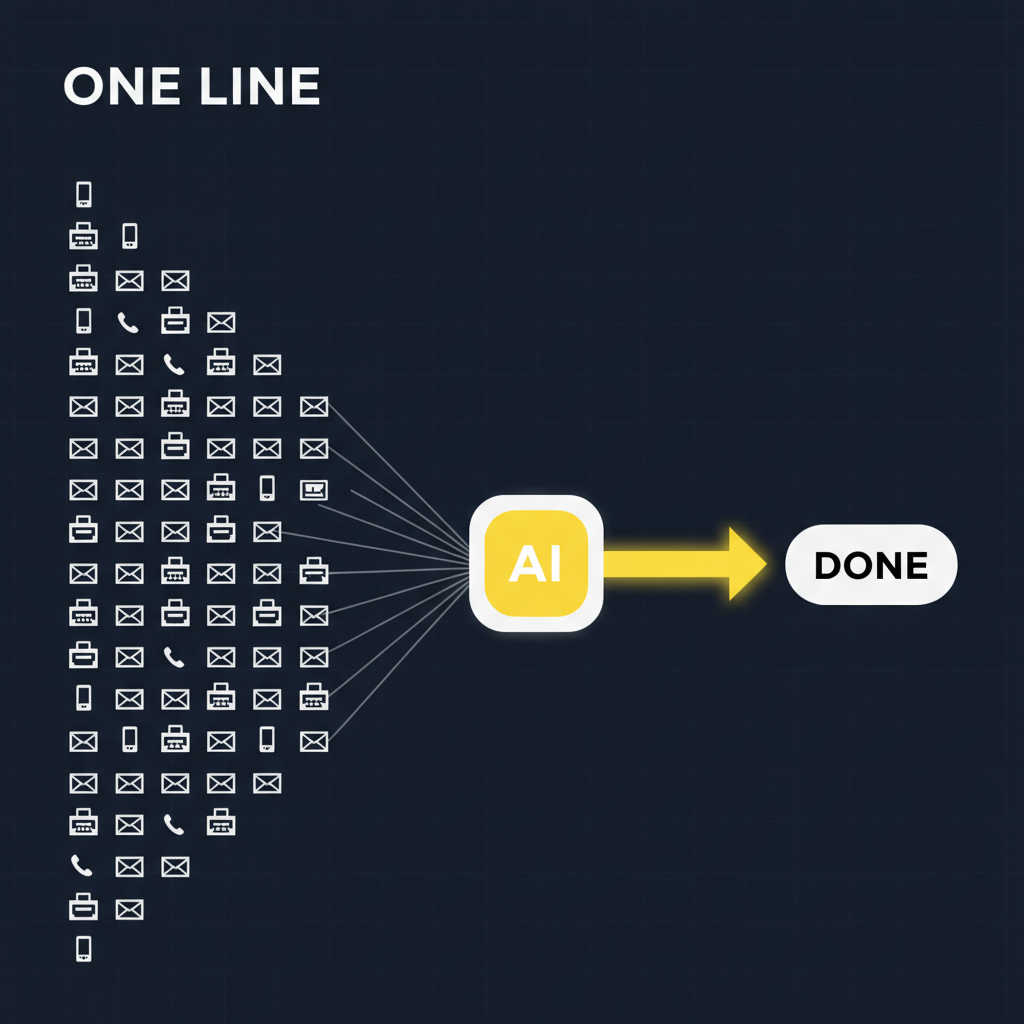
Written employment verification letters solve one problem but create another: inbound call volume. Most lenders and background screeners treat your letter as the opening move in a longer verification process. They'll follow up with phone calls, emails, and additional fax requests to confirm the details you've already provided in writing.
HR teams processing 50+ verification requests monthly find themselves trapped in an endless cycle. You write the letter, send it off, then field three follow-up calls asking for verbal confirmation of the same information. Each request eats 10-15 minutes of staff time, and the volume compounds as your workforce grows.
The operational math breaks down quickly. A 500-employee company might handle 200+ inbound verification requests monthly — that's 40+ hours of HR time spent repeating information that's already documented. Most employers lack the headcount to staff a dedicated verification line, so these calls interrupt other HR work throughout the day.
Superunit's AI verification system handles the entire inbound layer automatically. Third-party verifiers call your dedicated verification number and receive instant, accurate responses via AI — covering employment status, tenure, title, and salary data when authorized. The system processes phone, email, and fax requests without requiring any employer budget or headcount allocation.
The service operates on a verifier-pays model, meaning zero cost to employers. Your HR team writes the initial letter when legally required, then the AI handles all follow-up requests. This eliminates the verification call burden while maintaining compliance and response speed that satisfies lenders and background screeners.
Frequently Asked Questions
Do employers have to provide an employment verification letter? No federal law requires employers to verify employment, but most state unemployment insurance systems and workers' compensation programs create practical obligations. Refusing legitimate verification requests can harm your employees' ability to secure housing or credit.
How long does an employer have to respond? Most verification requests expect a response within 3-5 business days. Mortgage lenders often need faster turnaround during closing periods. Set internal deadlines to avoid delays that could cost your employees opportunities.
Can an employer charge a fee for verification letters? Yes, but fees typically range from $10-25 per letter and may not be worth the administrative overhead. Many employers provide basic verification at no cost to maintain employee goodwill.
What if the request comes from a background screening company? Treat these identically to direct lender or landlord requests. Background screeners are agents acting on behalf of employers or property managers. Verify the requester's identity and confirm they have proper authorization from your employee.
Can HR decline to verify salary? Yes, especially in states with salary history bans. You control what information to disclose beyond basic employment confirmation. Many employers verify only dates, title, and employment status to limit liability exposure.