A regional bank using The Work Number hits paydirt on 65% of employment verifications — instant results from Equifax's massive payroll database. The remaining 35% lands on a four-person operations team that spends 3–5 days per case calling HR departments, waiting for fax callbacks, and chasing down employment letters. When OCC examiners ask for the audit trail on those manual cases, the bank hands over a folder of sticky notes and email printouts.
Database employment verification handles the easy majority of cases where employers contribute payroll data or borrowers provide credentials. The remaining 30–40% requires a structured manual-fallback layer that can document every employer contact attempt for regulatory review. Most banks cobble together internal operations teams for this gap — expensive, slow, and audit-inconsistent.
This guide ranks nine employment and income verification vendors across both database and manual-fallback capabilities. We flag which vendors solve only half the problem and which provide the complete two-layer architecture that modern bank lending operations demand. Mortgage verification gets separate coverage in our mortgage lender platform guide — this focuses exclusively on consumer lending, commercial banking, and credit union operations.
How We Ranked Verification Vendors for Banks
We evaluated employment verification vendors across six criteria that matter for bank loan operations and regulatory compliance.
Database coverage breadth measures how many employed borrowers each vendor can verify instantly without manual outreach. The Work Number leads here with 2M+ employer records, while consumer-permissioned platforms like Argyle excel with gig workers that traditional databases miss.
Manual-fallback capability determines whether the vendor can handle the 30–40% of cases that database lookups miss. Most database-only vendors (TWN, Pinwheel) offer no fallback solution, leaving banks to staff their own operations teams.
Audit-trail granularity evaluates whether the vendor produces examination-ready documentation. AI-powered manual vendors like Superunit provide timestamped call recordings and transcripts, while database vendors typically offer only pass/fail results.
Regulator-ready exports measure compliance formatting for OCC, FDIC, and NCUA examinations. FCRA-compliant Consumer Reporting Agencies score highest here.
API integration with LOS/core banking determines deployment friction. Vendors with existing Jack Henry, Encompass, or nCino integrations reduce IT lift for community and regional banks.
Pricing predictability evaluates cost structure transparency. Pay-on-success models (Superunit) offer more predictable unit economics than complex tiered structures that fluctuate with volume and verification type.
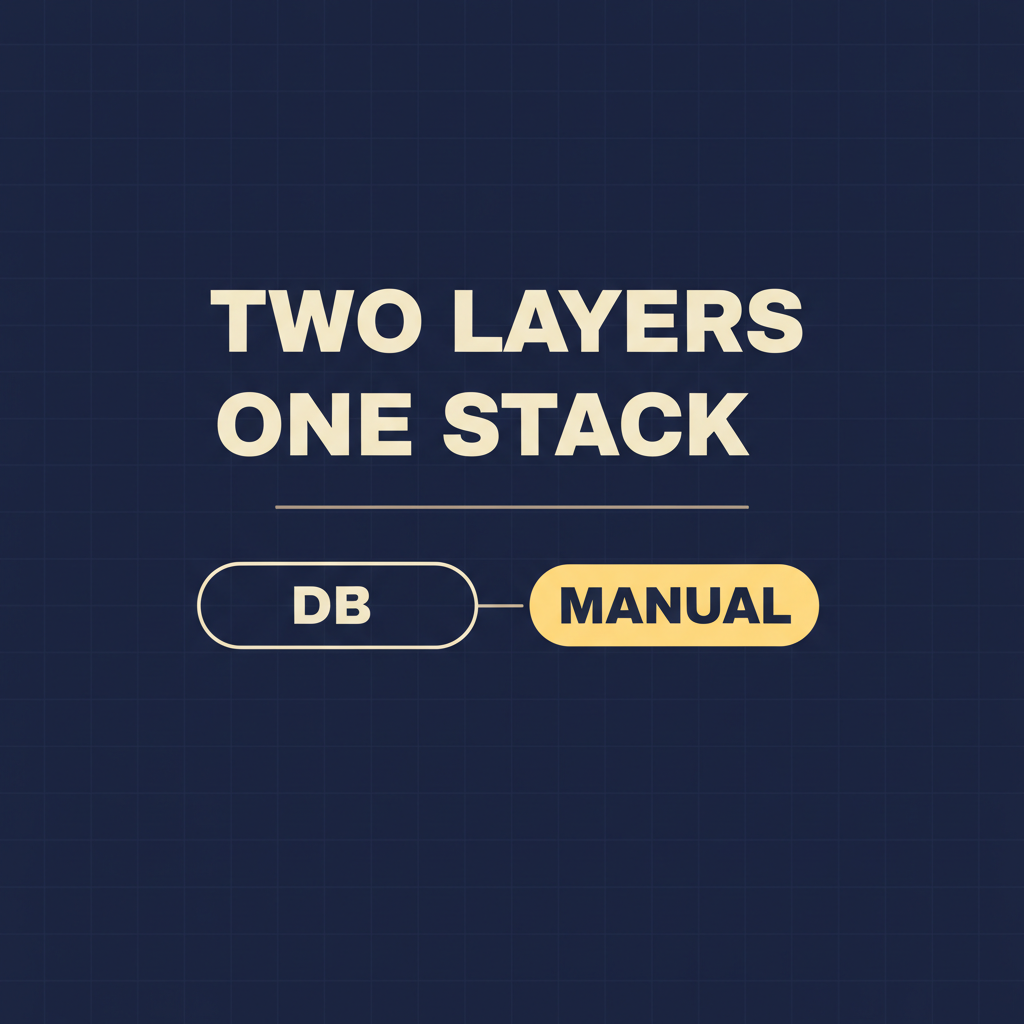
Two Layers, One Stack — Database VOE vs. Manual-Fallback VOE
Database-VOE platforms deliver instant results for employed workers at large and mid-sized companies. These systems tap employer-contributed payroll data (The Work Number) or consumer-permissioned payroll logins (Argyle, Pinwheel) to return employment status and income within seconds. Hit rates typically range from 60–75% at regional banks, covering the straightforward majority of loan applications.
Manual-fallback VOE kicks in when database systems return no-hit results. This layer handles small employers with 5–50 employees, recent hires under 90 days, gig workers, and non-standard employment arrangements that don't feed into centralized databases. Traditional manual processes require loan ops teams to call, email, and fax employers directly — consuming 3–5 business days per case and creating inconsistent audit documentation.
These layers complement rather than compete with each other. Database-VOE vendors optimize for speed and scale on mainstream employment scenarios. Manual-fallback vendors specialize in the complex, time-intensive cases that databases miss. Banks that treat this as a vendor selection decision miss the point entirely.
The verification gap creates operational risk for lenders. A $2 billion regional bank processing 200 personal loan applications monthly will see roughly 70 database no-hits that require manual follow-up. Without a structured manual-fallback system, these cases either get declined (lost revenue) or handled by overtaxed loan ops teams (compliance risk).
Modern AI-powered manual verification vendors like Superunit automate the outreach process while maintaining full audit trails. This eliminates the choice between speed and compliance that has plagued bank loan operations for decades.
The 9 Best Verification Platforms for Banks & FIs in 2026
Nine vendors dominate bank employment verification, split across two distinct layers. Database platforms like Equifax's Work Number and Truework handle 60–70% of cases instantly but leave significant coverage gaps. Manual-fallback vendors like Superunit and HRLogics Clear Verify close the remaining 30–40% through structured employer outreach.
The rankings below separate database-VOE vendors (instant results from payroll feeds) from manual-fallback options (human or AI-powered outreach when databases fail). Most banks need both layers to achieve complete coverage and regulatory compliance.
1. Equifax / The Work Number — DATABASE
Equifax's The Work Number dominates database-driven employment verification because it holds the largest employer-contributed payroll database in the United States — over 2 million employer records feeding real-time employment and income data. When a borrower's employer participates, you get instant results with salary history, employment dates, and income verification that satisfies GSE requirements and FCRA compliance standards.
The platform excels at covering employees from Fortune 500 companies, major retailers, and mid-size employers that contribute payroll data directly. Regional and national banks rely on The Work Number as their primary verification layer because the hit rate for traditional W-2 employees at participating employers approaches 90%.
The limitations are predictable: small employers rarely contribute data, recent hires may not appear for 30–90 days, and gig workers fall outside the database entirely. Per-verification pricing can reach $100–200+ at enterprise volumes, making failed attempts expensive. The Work Number provides no manual fallback capability — when you get a no-hit, you're done.
Banks use The Work Number as their Layer 1 database solution, then pair it with a manual-fallback vendor like Superunit or HRLogics to handle the 30–40% of cases that don't hit the database.
2. Truework — HYBRID
Truework offers the closest thing to a unified verification stack for banks that want to reduce vendor count without sacrificing coverage. The platform starts with instant database lookups, escalates to payroll credential requests, then falls back to smart employer outreach — all within a single workflow that claims 75% completion rates.
The strength here is consolidation: one vendor relationship, one API integration, one audit trail across the entire waterfall. Truework maintains FCRA CRA status and produces GSE-eligible reports, making it compliant for both consumer lending and mortgage applications. LOS integrations with Encompass and other bank-standard platforms are mature.
The weakness is depth versus breadth. While Truework handles manual outreach, dedicated manual-fallback vendors like Superunit deliver faster turnarounds and more automated employer contact strategies. Pricing complexity across database hits, credential requests, and outreach tiers can make cost forecasting difficult for loan operations teams.
Mid-size banks gravitate toward Truework when vendor consolidation trumps best-in-class performance at each layer. It's particularly strong for institutions that want database coverage plus structured fallback without managing multiple vendor relationships or stitching together separate audit trails.
3. Superunit — MANUAL (AI-Powered)
Superunit closes the 40% database no-hit gap without adding headcount. Their AI agents simultaneously call, email, and fax employers to complete verifications that database platforms miss — recent hires, small employers, non-participating companies.
The platform averages one business day turnaround and records every interaction. Call recordings, email transcripts, and fax confirmations create a complete audit trail with timestamps and chain of custody documentation. Bank examiners get the documented verification attempts they want to see.
Pay-on-success pricing eliminates the risk of failed verification costs. You only pay when Superunit delivers a completed employment verification, making it cost-predictable as a Layer 2 fallback.
The limitation is clear: this isn't instant database VOE. Superunit handles cases where The Work Number or Truework return no-hit, but it won't replace your primary database verification layer. Self-employed borrowers and defunct employers still require traditional manual processes.
Regional banks pair Superunit with Equifax/TWN as their primary layer. Credit unions combine it with Pinwheel for comprehensive coverage. The result: 95%+ completion rates across both employed and recently-hired applicants without expanding operations teams.
4. Argyle — DATABASE (Payroll-Permissioned)
Argyle targets fintech consumer lenders and banks serving gig workers, contractors, and non-traditional employees that database giants like The Work Number routinely miss. The platform connects directly to payroll systems through consumer-permissioned credentials, delivering VOI, VOE, and VOA data from a single API call.
The consumer-driven approach covers Uber, DoorDash, and freelance workers more effectively than employer-contributed databases. Argyle integrates with modern loan origination systems and provides real-time income streams that traditional payroll databases can't match. For banks with significant gig economy exposure, this fills a genuine coverage gap.
The trade-off is borrower friction and conversion rates. Unlike The Work Number's invisible employer lookup, Argyle requires applicants to log into their payroll accounts during the application flow. Some borrowers abandon at this step, and the platform performs weakly for traditional W-2 employees at large corporations where TWN already has comprehensive coverage.
Pricing follows usage-based models typical of fintech-oriented vendors. FCRA CRA compliance supports GSE mortgage eligibility, though the consumer-permissioned model creates additional CFPB consent requirements.
Best fit: digital-first banks and fintech lenders with modern origination stacks and borrower bases skewing toward contractors and gig workers.
5. Pinwheel — DATABASE (Payroll-Permissioned)
Pinwheel delivers payroll-connected income verification through 1,600+ payroll platform integrations, making it the natural choice for community banks and credit unions modernizing their verification workflows. The consumer-permissioned model claims 80% US worker coverage by connecting directly to borrowers' payroll systems.
The Jack Henry partnership makes Pinwheel integration straightforward for community banks already using Symitar or SilverLake cores. Credit unions running on Jack Henry platforms can deploy Pinwheel without extensive API development work.
FCRA Consumer Reporting Agency status ensures regulatory compliance for lending decisions. The consumer-permissioned consent model aligns with CFPB expectations for data collection transparency.
The borrower-driven consent flow creates friction in loan origination — applicants must actively log into their payroll systems and grant access. Coverage gaps persist for non-payroll income sources like 1099 contractors or cash-paid workers.
Usage-based pricing per connection makes costs predictable for smaller institutions with moderate verification volumes. Credit unions report smooth implementation through existing Jack Henry relationships, though borrower conversion rates vary by demographic and loan type.
Pinwheel works best as a primary database layer paired with manual fallback for the inevitable no-hit cases.
6. MeasureOne — DATABASE (Consumer-Permissioned)
MeasureOne specializes in consumer-permissioned data from academic institutions, payroll systems, and financial accounts — making it valuable for banks serving borrowers with thin credit files or non-traditional income sources. The platform aggregates verification data across multiple sources that traditional database vendors often miss.
The company's strength lies in reaching gig workers, contractors, and self-employed borrowers who fall outside conventional payroll-contributed databases like The Work Number. MeasureOne operates as an FCRA-compliant consumer reporting agency, allowing banks to use its reports for credit decisions with proper adverse action procedures.
Coverage remains narrower than established players like Equifax, and many traditional bank loan operations teams haven't integrated MeasureOne into their standard workflows. Per-verification pricing follows industry norms but can add up at volume.
Banks with significant exposure to freelancers, contractors, or recent graduates find MeasureOne fills coverage gaps that other database vendors miss. Community banks in markets with high gig economy participation or fintech lenders targeting underbanked populations see the strongest fit. Traditional regional banks typically use MeasureOne as a supplemental layer rather than their primary verification source.
7. Plaid Income — DATABASE (Payroll + Bank-Permissioned)
Plaid Income delivers the broadest income verification data set for fintech lenders by combining payroll-permissioned connections with bank transaction analysis in a single API call. Consumer loans at digital banks can pull verified payroll data plus categorized spending patterns to assess both income stability and cash flow health. This dual-source approach works particularly well for gig workers and variable-income borrowers who have consistent bank deposits but work outside traditional payroll systems.
Bank-statement-based income inference remains less precise than direct payroll reporting — transaction categorization can miss contractor payments or misclassify transfers. The CFPB's open banking rule creates regulatory uncertainty around consumer-permissioned financial data access for lending decisions.
Plaid Income fits digital-first banks and fintech consumer lenders with API-native loan origination systems. Traditional community banks rarely integrate Plaid for employment verification — the consumer-permissioned consent flow adds friction to branch-originated loan workflows, and most community bank core systems lack the API infrastructure to support real-time data aggregation calls.
8. Yodlee (Envestnet) — DATABASE (Bank Data Aggregation)
Yodlee works as a supplemental income verification tool for banks that already have core employment verification covered. The platform aggregates transaction data from thousands of bank accounts to infer income patterns and employment status from deposit history.
Major financial institutions use Yodlee's established data infrastructure to analyze borrower cash flow beyond traditional payroll records. The platform excels at capturing income from multiple sources, including freelance deposits, gig economy payments, and irregular compensation that payroll databases miss entirely.
The core limitation: bank statement analysis provides income estimates, not authoritative employment verification. Yodlee infers employment from transaction patterns rather than confirming job status directly with employers. Open banking regulations create additional uncertainty around data aggregation models.
Banks typically deploy Yodlee alongside primary verification vendors rather than as a standalone solution. The platform strengthens income assessment for borrowers with complex financial profiles but cannot replace direct employer confirmation for regulatory compliance requirements.
Pricing follows enterprise licensing rather than per-verification fees, making it cost-effective for high-volume institutions that want comprehensive borrower financial analysis.
9. HRLogics Clear Verify — HYBRID
HRLogics Clear Verify combines automated employer outreach with human HR specialists to handle complex verification scenarios that trip up purely automated systems. The platform excels at navigating HR department protocols and compliance requirements that vary across different employers.
The hybrid approach means HRLogics can handle both straightforward database lookups and complex manual outreach scenarios. Their team includes former HR professionals who understand how to communicate with employer HR departments effectively. Every verification includes documented audit trails with timestamps and interaction records.
Where HRLogics falls short is automation speed compared to AI-native competitors like Superunit. The platform relies more heavily on human intervention, which can extend turnaround times. Pricing transparency is limited — most banks need to request custom quotes rather than seeing clear per-case rates.
For compliance-focused banks that prioritize documented processes over speed, HRLogics delivers FCRA-aligned verification reports with detailed audit trails. The platform works best as a manual-fallback layer for banks that already have a primary database VOE provider but need a reliable human-backed option for complex cases.
How to Architect a Two-Layer Verification Stack
Smart banks build verification stacks in two distinct layers: a database-VOE primary for instant hits, and a manual-fallback secondary for no-hits. This architecture maximizes both speed and coverage while maintaining audit compliance.
Layer 1: Database-VOE Primary. Choose your database vendor based on loan portfolio profile. The Work Number delivers the broadest instant-hit coverage for traditional employment scenarios. Truework offers a unified waterfall that attempts database lookup before escalating to outreach. Argyle or Pinwheel work better for fintechs serving gig workers and non-traditional borrowers who can provide payroll login credentials.
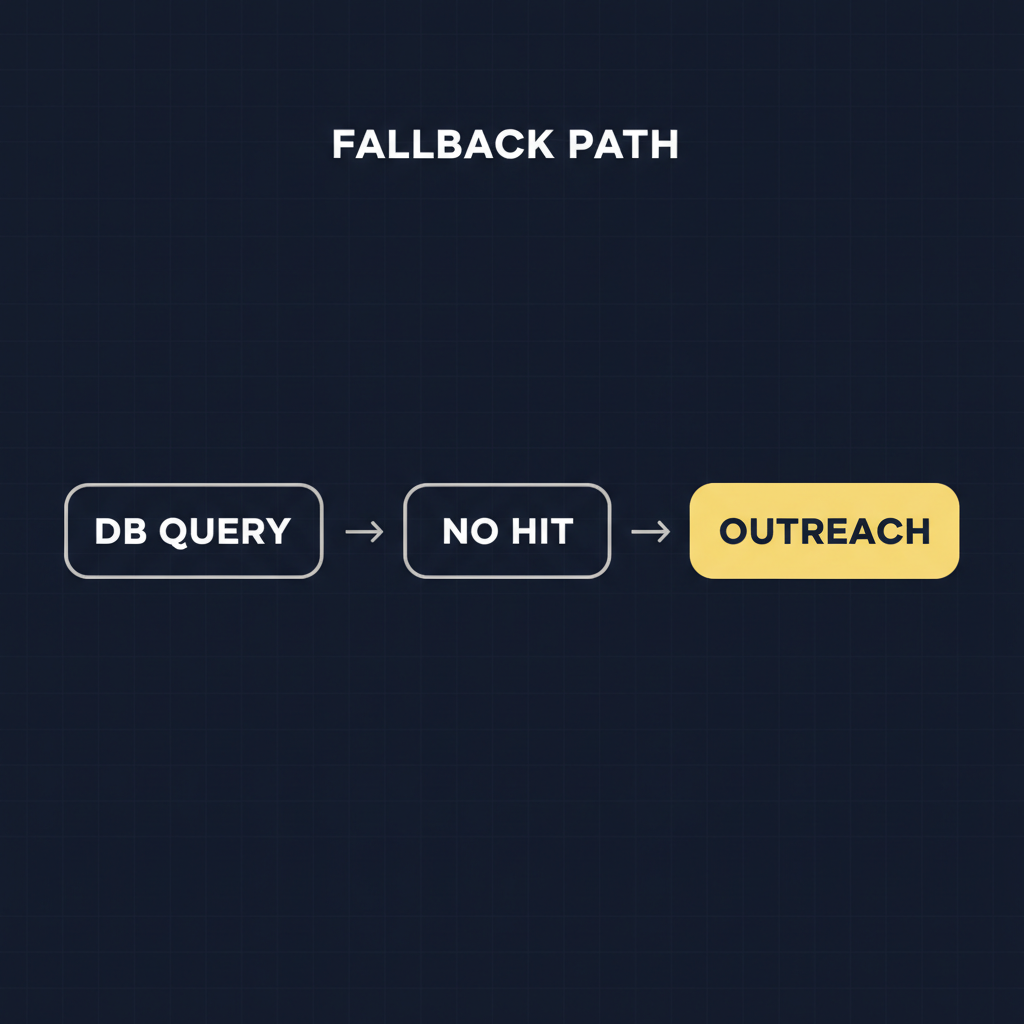
Layer 2: Manual-Fallback Trigger. Configure automatic fallback triggers when database VOE fails. Trigger conditions include: no employer found in database, stale employment data (>90 days old), recent hire status (<90 days tenure), or small employer not in network. Superunit and HRLogics Clear Verify specialize in this manual layer, using AI agents or human operators to contact employers directly.
Audit Trail Consolidation. Create unified case files that document both verification attempts. Timestamp each layer's attempt, record the specific trigger reason for fallback escalation, and preserve all communication records from manual outreach. Export combined reports showing: database query result → fallback trigger logic → manual verification outcome → final employment status.
Underwriter Exposure. Present underwriters with consolidated reports, not fragmented vendor outputs. Show the complete verification journey: "Database attempt: No employer found → Manual outreach: Contact successful → Employment confirmed: Active, $75,000 annual salary." Include confidence scores and documentation quality indicators for each verification method.
This two-layer approach typically achieves 85–90% total completion rates versus 60–70% for database-only stacks. The marginal cost of manual fallback pays for itself through higher approval rates and examiner-ready documentation. Banks using this architecture report faster loan decisions and cleaner audit files during regulatory reviews.

Regulatory Considerations — OCC, FDIC, CFPB, State
The OCC requires banks to treat employment verification vendors as third-party service providers under its 2013 guidance, updated in 2023. This means due diligence on vendor controls, ongoing monitoring, and documented risk assessments for any verification platform touching credit decisions.
The FDIC maintains parallel third-party risk management expectations under FIL-29-2008 and subsequent updates. State-chartered banks face dual oversight from both state regulators and the FDIC on vendor management practices.
CFPB rules center on FCRA permissible purpose when employment data feeds credit decisions. Banks must document permissible purpose for each verification request and provide proper adverse action notices when employment verification contributes to loan denials. Consumer-permissioned platforms like Argyle and Pinwheel add consent-management complexity under FCRA and state privacy laws.
Credit unions fall under NCUA's similar third-party risk framework, with particular scrutiny on vendor data security and member privacy protections.
California, Illinois, and New York impose additional consent requirements for consumer-permissioned employment data. Banks operating in these states need extra documentation for payroll credential-based verification platforms.
Bank examiners want complete audit trails showing verification attempts, outcomes, timestamps, and fallback trigger logic — not just final results. The documentation standard requires proof of method, not just proof of answer.
How to Choose — Decision Tree by FI Scenario
Community Banks (< $1B assets). Start with Pinwheel as your primary database layer. The Jack Henry integration makes implementation straightforward, and consumer-permissioned payroll data covers your typical small business borrowers better than TWN's employer-contributed model. Pair with Superunit for manual fallback on the 35–40% of cases Pinwheel misses.
Regional Banks ($1B–$50B assets). The Work Number delivers the broadest instant-hit coverage for your loan volume. TWN's employer-contributed database excels with mid-to-large employers that dominate your commercial customer base. Add Truework or Superunit as your fallback layer — Truework if you want waterfall automation, Superunit if you need faster manual turnaround with audit documentation.
Fintech Consumer Lenders. Argyle or Plaid Income handle your API-first origination stack and gig economy borrowers. Argyle's payroll connections work better for W-2 contractors, while Plaid Income combines payroll with bank-statement analysis for variable-income scenarios. Superunit closes your no-hit gap without requiring ops headcount.
Credit Unions. Pinwheel integrates cleanly with Jack Henry and Narmi core systems that most credit unions run. The consumer-permissioned model aligns with credit union member-first principles. Pair with Superunit for manual fallback, or HRLogics Clear Verify if you prefer human-assisted outreach over AI agents.

Frequently Asked Questions
What's the difference between database VOE and manual VOE? Database VOE pulls from pre-populated employer databases or consumer-permissioned payroll systems for instant results. Manual VOE involves direct employer outreach via phone, email, or fax when database systems return no-hit. Banks need both layers to achieve 95%+ verification completion rates.
Do banks need both a database VOE vendor AND a manual one? Yes. Database vendors like TWN or Truework handle 60–70% of cases instantly, but 30–40% fall to manual outreach. Running database-only leaves a massive verification gap that kills loan approval rates or forces expensive internal ops teams to handle fallback cases.
Does The Work Number cover small employers and recent hires? No. TWN relies on employer-contributed payroll data, so small businesses (under 50 employees) rarely participate. Recent hires appear in TWN 60–90 days after starting work, creating coverage gaps for job switchers and new graduates.
What's a typical no-hit rate for database VOE at a regional bank? Regional banks report 35–40% no-hit rates from database VOE platforms. Small business owners, recent hires, gig workers, and employees at non-participating employers trigger manual fallback. Community banks see higher no-hit rates (40–45%) due to smaller average employer size.
Can AI manual verification satisfy bank audit requirements? Yes, if the AI platform provides complete audit trails. Superunit records every employer contact attempt, transcribes phone calls, timestamps interactions, and maintains chain-of-custody documentation. Examiners want to see verification methodology, not just final results.
Ready to close your verification gap? Book a demo to see how AI-powered manual verification handles your database no-hits in under 24 hours with full audit documentation.