
A medical canvass typically costs between $150 and $400 as a flat, per-canvass fee. That covers a defined search radius around the claimant's address, a set list of facility types, and a written report of every hit and every contact attempt. No major canvassing vendor publishes a rate card, so the only way most adjusters learn the number is by requesting a quote. One exception: Superunit publishes its pricing, starting at $1.50 per location contacted — about $45 for a standard 30-facility canvass. This guide covers what that flat fee actually includes, what pushes it up, and how it compares to the other tools an SIU or claims team can spend the same money on.
If you're still weighing what a canvass is and when to order one, start with our guide to medical canvassing and come back for the numbers.
What does a medical canvass typically cost?
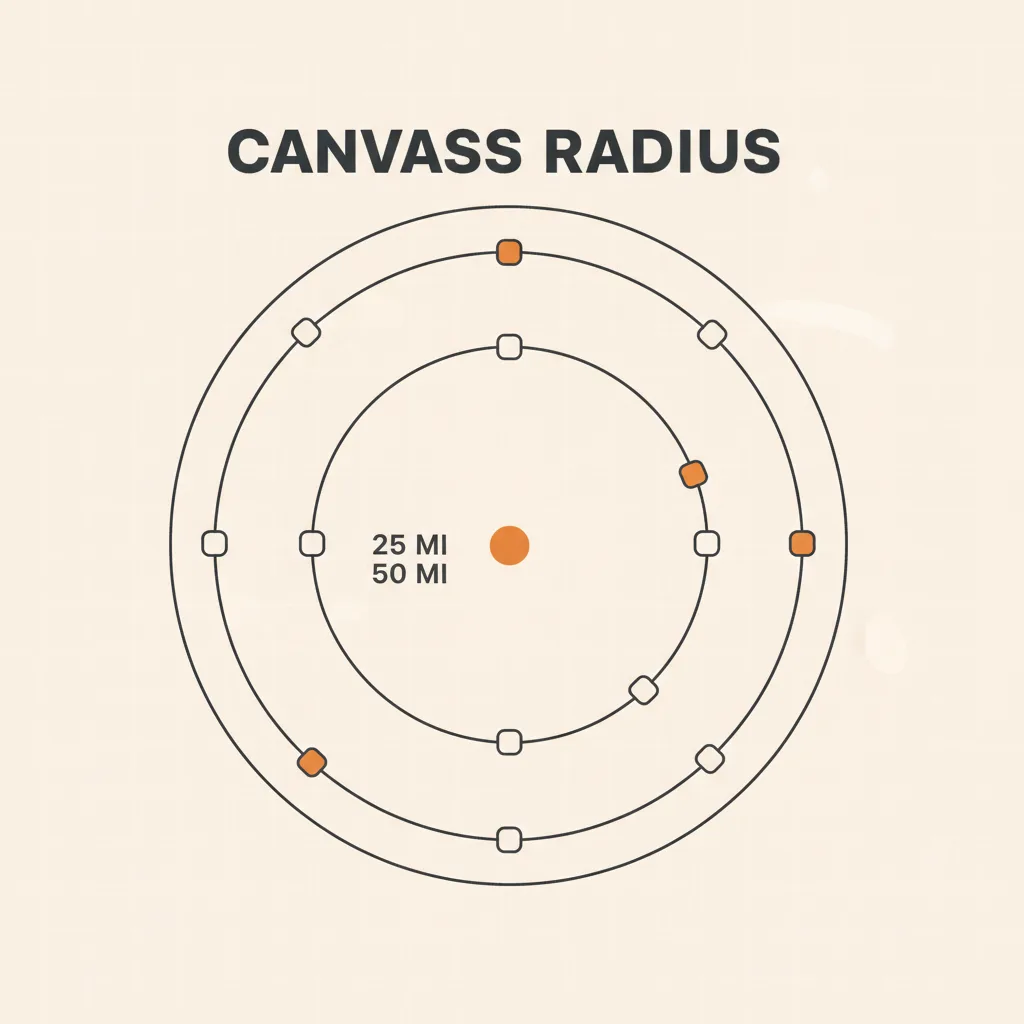
Most vendors quote a medical canvass as a flat fee in the $150 to $400 range, not an hourly rate. The price generally includes a geographic search radius around the claimant's known addresses (25 miles is a common default, 50 for rural areas), outreach to a defined set of facility types — hospitals, urgent care centers, clinics, pharmacies, imaging centers — and a report documenting which facilities confirmed records, which denied, and which never responded.
Because nobody publishes pricing, quotes for the same canvass can vary widely between vendors. One shop's $175 canvass covers 15 facilities with a single contact attempt each; another's $350 canvass covers 40 facilities with documented follow-up on every non-response. The flat fee tells you very little until you know what's inside it, which is why the questions at the end of this guide matter more than the sticker price.
Two adjacent products confuse the pricing conversation. A canvass finds where records exist. Records retrieval is the separate, separately priced step of actually obtaining them, usually billed per custodian plus copy fees. And a pharmacy canvass is often quoted as its own line item because pharmacy databases allow broader, faster checks than facility-by-facility calling.
What drives the price of a canvass?
Five variables move the quote more than anything else.
Radius and facility count. The default radius is the biggest lever. Doubling a 25-mile radius roughly quadruples the covered area, and in a metro that can mean going from 20 facilities to 80. Vendors either cap the facility count at each price tier or charge per-facility overages.
Facility types. Hospitals and urgent care are standard. Adding chiropractors, physical therapy, behavioral health, dental, or imaging centers expands the list, and the price with it. Pharmacy checks are frequently a separate flat add-on.
Verbal hit versus written confirmation. A verbal confirmation that records exist is the base product. Getting the facility's response documented in writing, in a format that survives a deposition, costs more at some shops. Ask which one the quote includes, because the difference decides whether the canvass is intelligence or evidence.
Turnaround. Standard turnaround runs several business days to two weeks depending on the vendor's staffing. Rush service, where offered, typically adds 25–50% to the fee.
Volume. Carriers and TPAs ordering canvasses at volume negotiate program rates. If your SIU orders more than a handful a month and you're paying list price, you're leaving money on the table.
How does canvassing compare to records retrieval, surveillance, and IMEs on cost?
The right comparison isn't canvass versus canvass. It's canvass versus the other ways to spend investigation budget on the same claim. Typical market ranges:
| Investigation tool | Typical cost | Typical turnaround | What you get |
|---|---|---|---|
| Medical canvass | $150–$400 flat | Days to 2 weeks | Where treatment records exist |
| Records retrieval | $30–$75 per custodian, plus copy fees | Weeks | The records themselves |
| Surveillance | $75–$125 per hour, commonly $1,000+ per day | Scheduled | Observed activity |
| Independent medical exam (IME) | $1,000–$2,500+ | Weeks to schedule | A medical opinion |
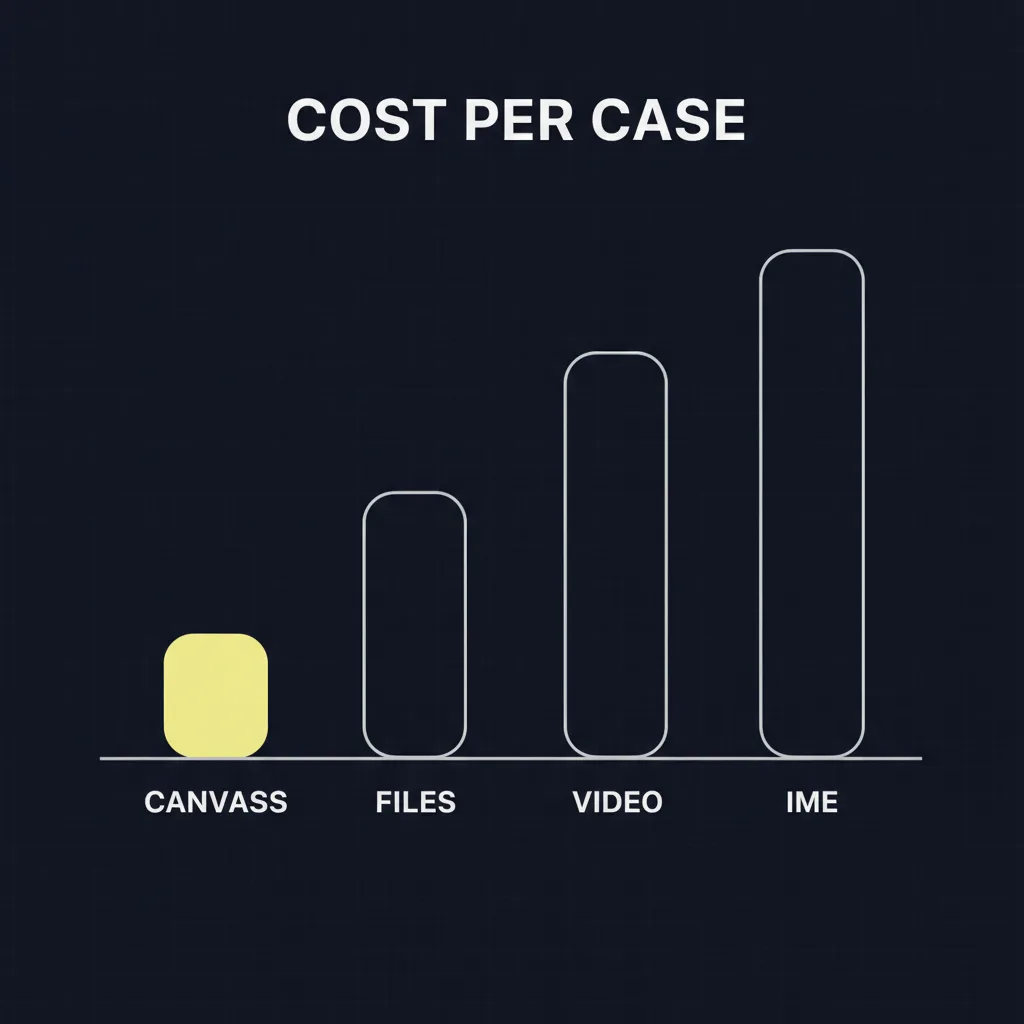
The canvass is the cheapest item on the menu by a wide margin, which is exactly why it belongs early in the sequence. A $300 canvass that surfaces an undisclosed prior treatment history can redirect a claim before you've spent $2,000 on surveillance that watched the wrong hypothesis. And when the canvass comes back clean, that's cheap information too: it closes the investigative question and moves the claim along instead of paying for escalation on a hunch.
The same logic shows up in background screening, where we've written about real cost-per-case math: the per-unit price of a tool matters less than the cost of the decision it improves.
The cost nobody quotes: turnaround — and Superunit's 24-hour benchmark
The flat fee is the visible cost. The invisible one is the week or two the claim sits open while the canvass works through a vendor's calling queue.
On a workers' comp file, that delay has a price: reserves stay posted, indemnity payments continue, and the adjuster's decision window slides. If a canvass takes ten business days and the claim pays out weekly in the meantime, the true cost of a "cheap" canvass can quietly exceed its invoice several times over. Slow canvassing also caps how many claims an SIU can screen. When each order ties up capacity for two weeks, teams ration canvasses to the claims that already look suspicious, and the marginal fraud goes unexamined. We've covered that capacity trap in how to scale medical canvassing without adding SIU headcount.

This is where the market is splitting. Traditional shops price the canvass; they don't price the wait. Superunit's AI agents run every facility in the order simultaneously — phone, email, and fax at once — which is how it holds a 24-hour average turnaround whether the order is one 15-facility canvass or a thousand 60-facility ones. At that speed, the canvass stops being a special-occasion escalation and becomes a screening step you can afford to run on every questionable claim.
How Superunit prices medical canvassing
Superunit prices canvassing starting at $1.50 per location contacted. A standard 25-mile, 30-facility canvass comes in around $45; even a 60-facility order runs about $90 — below the bottom of the market's $150–$400 range, with the 24-hour turnaround included. There's no platform subscription, no seat license, and no minimum commitment. You pay when the work finishes. That keeps the unit economics legible in the same flat-fee terms the industry already quotes, while changing what the fee buys:
- Every facility contacted simultaneously, not worked through a queue, with a 24-hour average turnaround at any volume.
- A documented trail on every contact — who was reached, on which channel, what they confirmed or denied — delivered in a report built to survive file review and deposition.
- HIPAA-compliant handling with a signed BAA, which is table stakes for canvassing but worth confirming with any vendor you use.
For how we stack up against the traditional shops, see our comparison of medical canvassing companies, or look at the medical canvassing product page for the mechanics. If you're evaluating for an SIU program rather than a single claim, the Insurance SIU solution page covers the program-level picture.
What should you ask a canvassing vendor before you sign?
Six questions separate a real quote from a sticker price:
- How many facilities does this fee cover, and what's the per-facility overage?
- Which facility types are included, and what does adding pharmacy cost?
- Is the confirmation verbal or written, and what does the report document for facilities that never responded?
- What's the standard turnaround, and what does rush actually cost?
- How many contact attempts do you make before marking a facility unresponsive?
- Do you sign a BAA, and how is claimant PHI handled in the report?
Any vendor worth using answers all six without hesitation. The answers matter more than the fee, because a $175 canvass with one attempt per facility and no written documentation is frequently worth less than nothing. It produces false confidence that a search was done.
FAQ
How much does a medical canvass cost? Typical quotes run $150 to $400 as a flat fee per canvass, covering a set radius and facility list. Vendors don't publish rates, and inclusions vary enough that two same-priced quotes can describe very different products. Rush service, added facility types, and written confirmations all raise the number. Superunit publishes its rate: canvassing starts at $1.50 per location contacted.
Is medical canvassing cheaper than records retrieval? They answer different questions, but yes — a canvass is usually the cheaper first step. The canvass locates facilities that hold records for a flat $150–$400; retrieval then obtains records from each identified custodian at $30–$75 plus copy fees. Canvassing first means you only pay retrieval on facilities with confirmed records.
How long does a medical canvass take? Traditional vendors quote several business days to two weeks, driven by manual calling queues. AI-based canvassing runs facilities in parallel; Superunit averages 24 hours regardless of order size. On claims paying weekly indemnity, that gap is usually worth more than the entire canvass fee.
What's included in the canvass fee? A defined search radius, a facility list (hospitals, urgent care, clinics, and often pharmacies), outreach to each facility, and a report of hits, denials, and non-responses. Confirm whether written confirmation and repeat contact attempts are included — those two inclusions are where cheap quotes cut corners.