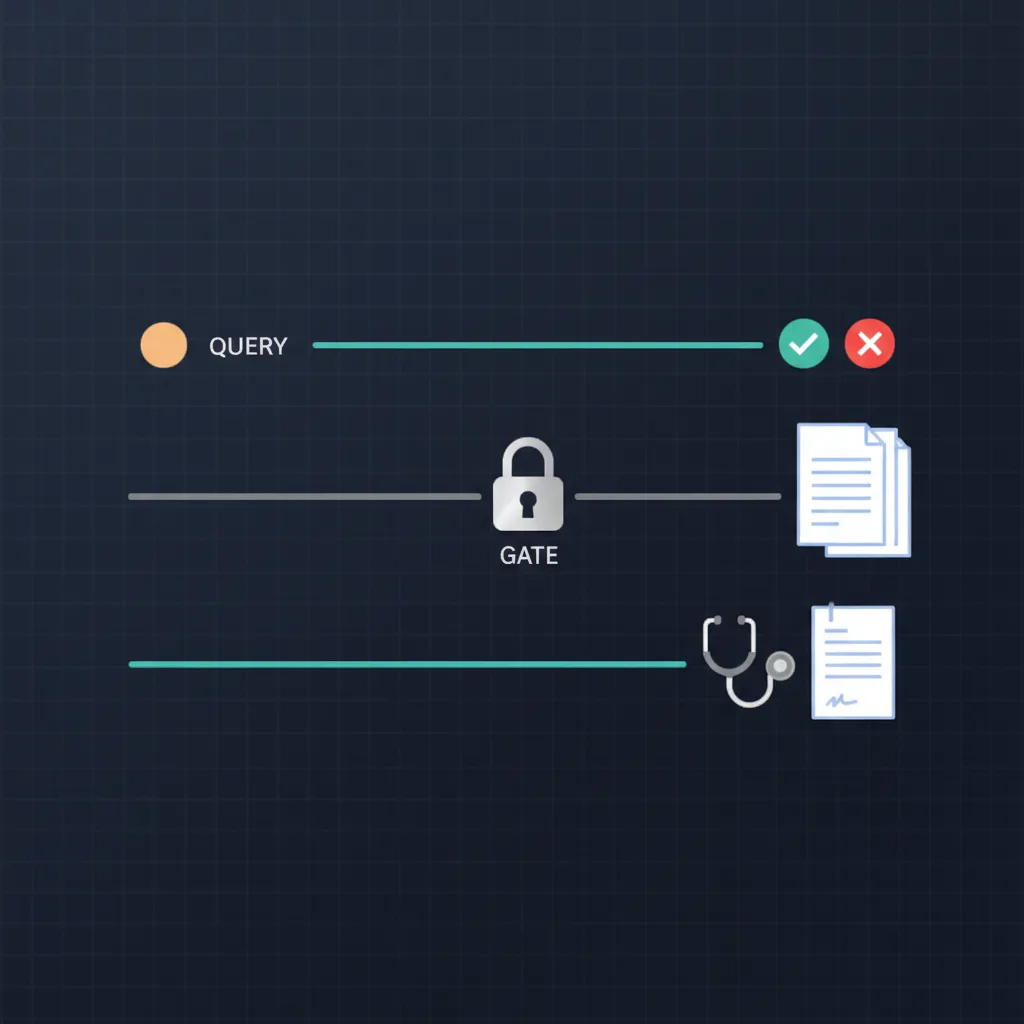
TL;DR
- Three steps, three different questions, run in order. A canvass confirms that treatment happened and where. Records retrieval obtains the actual charts. An IME adds an independent physician's opinion on causation or the extent of injury.
- Canvassing exchanges no protected health information, so it needs no HIPAA authorization. Retrieval pulls clinical records and requires a signed release. An IME requires the records to already be assembled.
- Pull records before you canvass and you pay retrieval fees to facilities that never treated the claimant. Order an IME before the record is complete and the physician opines on a partial picture.
- Canvass first. Retrieve only on confirmed hits, scoped to the facilities the canvass verified. Reserve the IME for cases where the medical opinion is genuinely contested.
- Superunit handles the canvassing step only. It does not retrieve records or perform or schedule IMEs.
What Each Process Actually Does
Medical canvassing is a desktop survey that contacts hospitals, clinics, and pharmacies inside a defined radius around a claimant to confirm one thing: whether treatment happened, and if so, where and on what dates. Because the inquiry stops at existence and timing, no protected health information changes hands and no signed release is needed (LCS Record Retrieval). The output is a list of confirmed facilities and dates of service, plus the negatives — and a documented "no treatment" across every facility is itself a finding, not a dead end. What triggers a canvass and how one runs is covered in the guide linked above; what matters here is its position in the sequence.
Records retrieval is the next end of the same workflow. You go to the custodian of records at a confirmed facility and request the full clinical file, including physician notes, imaging reports, lab results, surgical and discharge summaries, and billing documentation (recordrs.com). Every one of those documents is PHI, so a signed HIPAA authorization, a court order, or a properly served subpoena must be in hand before a custodian can produce anything (lexitaslegal.com).
An IME, or independent medical examination, is the third and last step, and it is a different kind of question entirely. Rather than confirming that treatment happened or gathering the records of it, an IME sends the claimant to a physician who has not treated them for a physical examination and a written clinical opinion on whether the injury was caused by the claimed event and how severe it actually is. It only makes sense once the underlying records exist, because a physician cannot opine on causation without the documentation in front of them.
One distinction decides which needs authorization and which comes first: a canvass moves a yes or no, retrieval moves the contents of the visit itself, and an IME moves an expert opinion about what those contents mean.

Comparison at a Glance
Claims teams weigh six things when deciding which step to run: what the service actually produces, what triggers it, how long it takes, what it costs relative to the others, the output it leaves in the file, and who performs it. The table below lines up all three across those dimensions.
| Dimension | Medical canvassing | Records retrieval | IME |
|---|---|---|---|
| What it does | Contacts facilities to confirm whether a claimant has undisclosed prior treatment or a pre-existing condition | Pulls the actual medical documentation from providers already identified | Sends the claimant to an independent physician for a physical exam and clinical opinion |
| Trigger to use it | You suspect undisclosed providers or a pre-existing condition but have no confirmed lead | Canvassing or intake has named a specific facility that treated the claimant | The medical opinion on causation or extent of injury is contested |
| PHI / HIPAA | No PHI exchanged; no authorization required | PHI; signed release, court order, or subpoena required | Uses the retrieved records; performed under its own consent and exam process |
| Typical turnaround | Around 24 hours | 10–15 business days for hospitals; up to 30 under HIPAA | Weeks, tied to physician availability and scheduling |
| Typical cost position | Low | Medium | High |
| Who performs it | In-house SIU or a canvassing vendor | A record retrieval vendor | An IME provider or physician network |
Read the table top to bottom and the order of the three steps is already visible in the trigger and cost rows. Canvassing sits at the front because it answers the cheapest question first, and each step downstream costs more and takes longer than the one before it.
How HIPAA Applies Differently to Each
Whether HIPAA governs a request comes down to whether the inquiry produces protected health information. A canvass asks a facility one question: did this person receive treatment here, and on what dates? A confirmed date and provider name fall outside protected clinical content, so no PHI changes hands and no signed authorization is required (legalcopyservices.com). When the canvass returns a "no," there is no PHI at all, because the claimant was never a patient at that facility (intertelinc.com).
Records retrieval sits on the other side of that line because it asks for the chart itself. Treatment notes, diagnoses, imaging reports, and billing detail all qualify as PHI under federal law, and a custodian cannot release any of it without a valid signed authorization (lexitaslegal.com). A compliant release names the patient, describes the records and purpose, and carries an expiration date. Without it, your only paths are a court order or a properly served subpoena.
Reading a canvass as a workaround gets the logic backward. Compliance is built into what the inquiry is allowed to ask, and the line is clear: the moment a canvasser asks for a diagnosis or a test result, the request needs the same authorization a records request does.
| Step | PHI exchanged? | HIPAA authorization required? |
|---|---|---|
| Medical canvass (yes/no) | No | No |
| Records retrieval (full records) | Yes | Yes, signed release required |
| IME (independent exam) | Uses already-retrieved records | Own consent and exam process |
A canvass gathers what you can without consent. Retrieval handles everything that needs it, scoped to the facilities the canvass confirmed. An IME comes only after both, when the assembled record still leaves the medical opinion in dispute.
Why Canvassing Comes First in the Investigation Sequence
Experienced adjusters order a canvass the moment a claim shows one of three patterns, and they order it before the file picks a direction. Soft-tissue and other subjective injuries top the list because no imaging exists to verify them independently. A strained back or a whiplash complaint leaves nothing for you to corroborate from inside the chart, so the first question worth answering is whether the claimant saw a provider at all, and where. A canvass settles that without touching a single clinical note.
Claimant memory gaps trigger the second referral pattern. When the insured cannot give you an accurate treatment history, you cannot scope a records request, because you do not know which custodians to contact. A canvass frames the inquiry as fact-finding rather than suspicion, which matters when you reopen the file later. It builds the facility list the claimant could not, and it does so without implying you doubt them.
Suspected misrepresentation is the third pattern, and it cuts both ways. Avoidance of diagnostic procedures or statements that shift between recorded interviews are the usual indicators. A canvass can confirm no wrongdoing as cleanly as it surfaces fraud, which is why running it early protects the carrier from baking an assumption into the file too soon. Findings that arrive before the claim direction hardens prevent the downstream rework that comes from chasing the wrong theory.
A clean canvass returns a confirmed facility list scoped to where the claimant lives and where the injury allegedly happened, with dates of service, provider identity with NPI numbers, and a treatment timeline you can lay against the loss date. Prior-claim history and earlier treatment for similar injuries come back too — the detail that separates a pre-existing condition from an incident-related one.
None of that requires a HIPAA release, because none of it touches PHI. Filing a records request before the canvass returns means guessing at custodians and authorizing releases you may never use. The canvass tells you exactly where to send the authorization, and on which claims an authorization is worth filing at all.
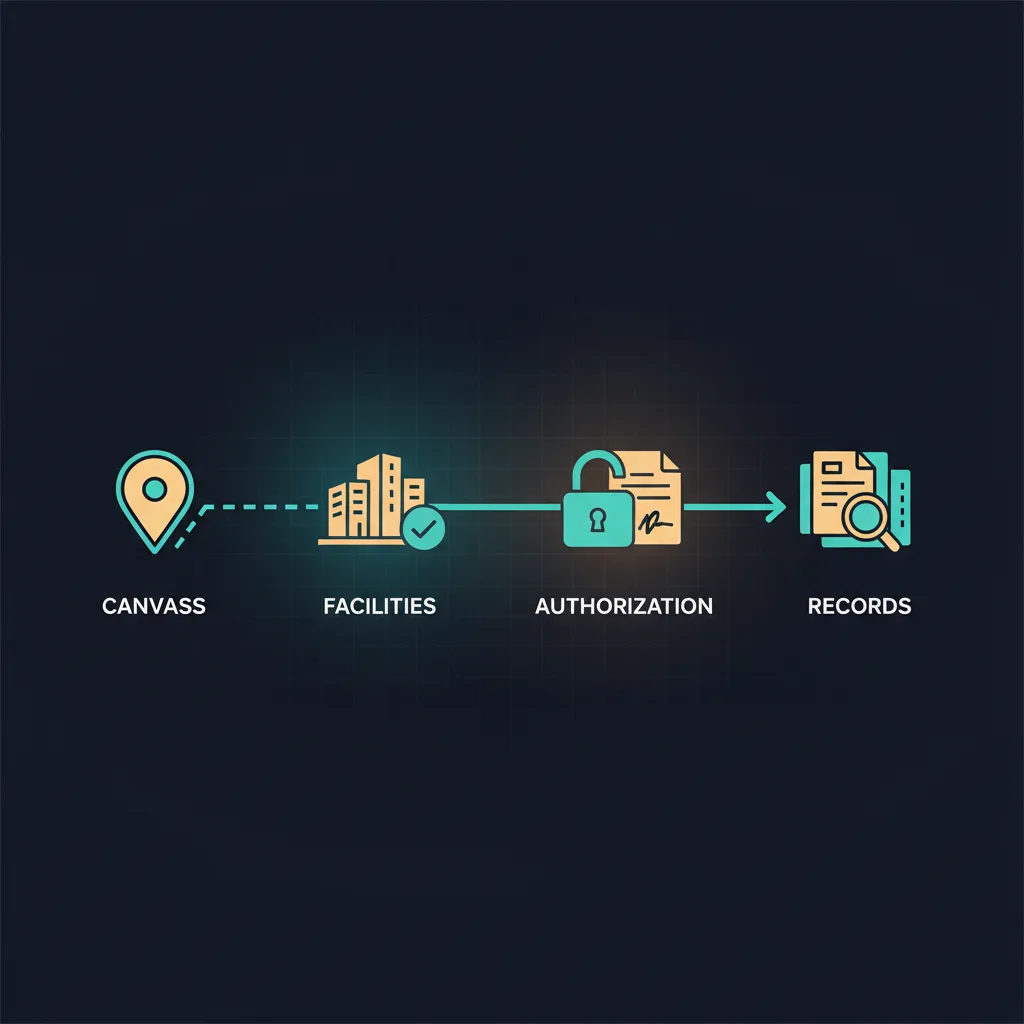
When Records Retrieval Follows a Positive Canvass Hit
A confirmed treatment location hands you a decision, not an automatic records pull. Once a canvass returns a verified facility, you have three ways to escalate, and the right one depends on whether the claimant cooperates and how contested the claim is.
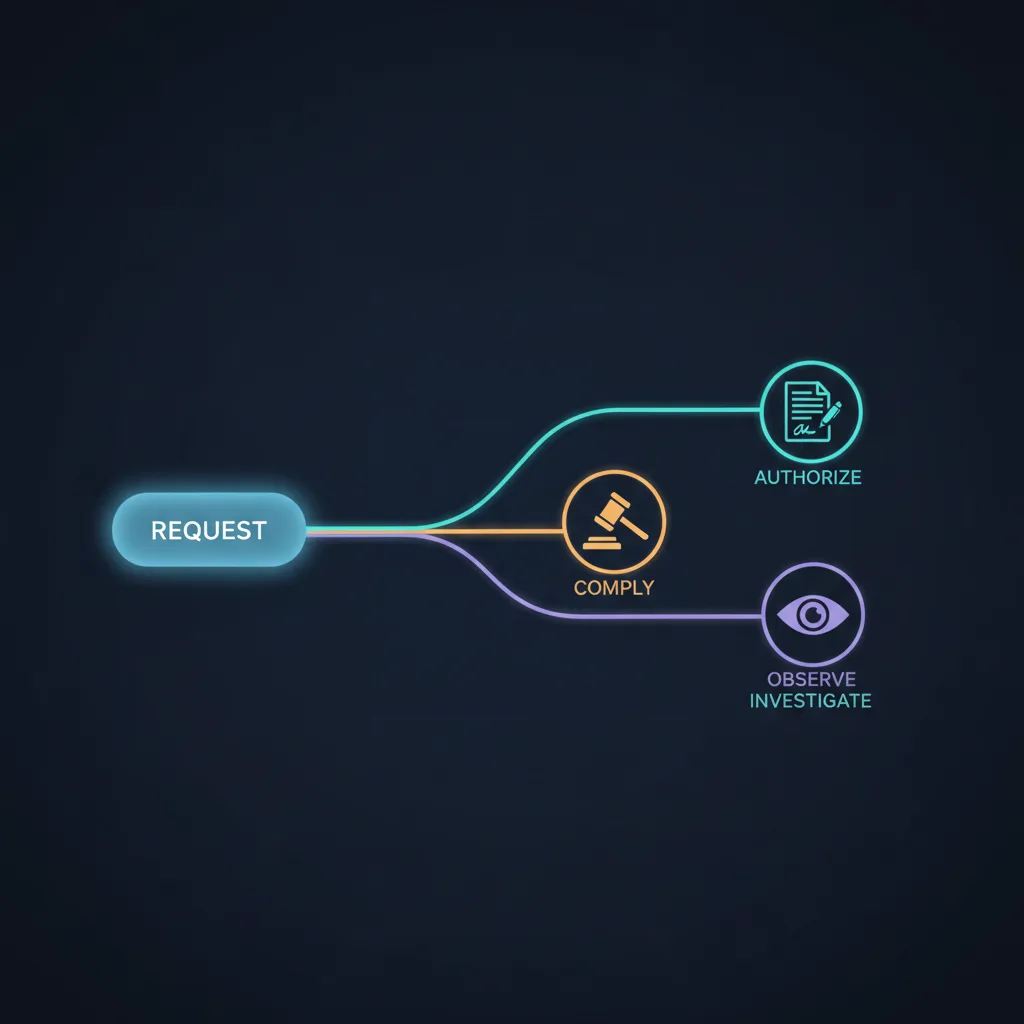
The default path is an authorization request. You send the claimant a signed HIPAA release naming the confirmed facilities, then forward it to each custodian of records. A compliant authorization carries the patient's full name, date of birth, a clear description of the records and their purpose, and an expiration date. Minor errors like a missing signature or wrong provider detail get the request rejected, so adjusters who rush this step lose days to resubmission.
The second path applies when the claimant refuses to sign or the matter is already in litigation. Here you obtain records through a court order or a properly served subpoena. Some custodians will only produce records on a subpoena that carries a judge's signature, so plan for that friction in adversarial claims.
The third path skips retrieval altogether for now. A positive hit at a facility the claimant denied visiting, or a treatment date that contradicts the loss timeline, often reads as a referral signal for surveillance or SIU rather than a clean chart request. You may want surveillance findings or a recorded statement in hand before you tip your interest by filing requests.
Build your timeline around custodian reality, and be careful with the deadline most guides quote. The 30-day HIPAA response rule lives at 45 CFR § 164.524 and governs a patient requesting their own records. A third-party request under a § 164.508 authorization, which is what a claims organization sends, carries no federal deadline at all. Some states set their own, typically 15 to 30 days, and those do bind. Hospitals typically return records in 10 to 15 business days, while clinics and private practices run faster but less predictably. Without active follow-up, many requests stretch to several weeks, so treat the authorization date as the start of a managed queue, not a finished task.
When an IME Enters the Sequence
An IME is the most expensive and slowest step of the three, and it belongs last for a reason: it depends on everything the first two steps produce. A physician cannot render a useful opinion on causation or the extent of an injury without the underlying documentation in front of them, so scheduling an exam before the record is assembled inverts the logic and produces an opinion built on a partial picture.
The trigger is a contested medical opinion, not an unknown one. Canvassing tells you whether treatment happened; retrieval tells you what the chart says. An IME is what you order when the records exist but the parties disagree about what they mean — whether the claimed event caused the injury, or how severe the injury genuinely is. If the assembled documentation already settles the question, an IME adds cost without adding clarity, which is why it is reserved for genuine disputes rather than run on every file.
Ordering an IME out of sequence is the costliest version of the same mistake that blind retrieval makes. A retrieval vendor billing by the provider wastes fees on facilities that never treated the claimant; an IME provider billing for a physician's day wastes the largest line item in the investigation on a question no one was actually disputing. Follow the triggers — canvass to find the treatment, retrieve to document it, IME only to resolve a contested opinion — and you pay for each step only on the claims that earn it.
The Cost and Timing Consequences of Getting the Sequence Wrong
Pulling records before you canvass means paying custodians who have no record of your claimant. Every retrieval request carries a fee and an administrative tail, and a request filed against a facility where treatment never occurred returns nothing useful while still consuming both. A claimant moves, treats out of state, or names a facility that turns out to be wrong, and you have committed days of follow-up to a custodian contact that was never going to resolve.
The delays compound because unproductive requests do not fail fast. A custodian under no federal deadline can sit on a request for weeks before confirming there is nothing to send, and hospitals run 10 to 15 business days even when records exist. Blind retrieval spends that window on facilities a canvass would have eliminated in the scoping phase. A prior canvass narrows the request list to verified treatment locations, so the retrieval fees and the wait both attach only to facilities that actually hold something.
Litigated claims carry a sharper version of the same risk. Incomplete canvassing before opposing counsel enters discovery means you may not know the full treatment history when records start moving, and damaging pre-existing conditions or contradictory evidence can surface after they are already in opposing counsel's hands. Discovering a prior injury at the wrong moment changes your settlement posture after the leverage has already shifted away from you. A complete canvass establishes the treatment timeline and distinguishes pre-existing from incident-related conditions before a single records request is filed, which is exactly when that knowledge is worth the most.
The escalation order also protects your budget on every other front. Each step beyond the canvass adds cost and intrusiveness, and a medical canvass ordered after surveillance and authorizations are already in motion often confirms what those later steps could have skipped.
Where Canvassing Sits in the Modern Claims Workflow — Superunit's Approach
The decision to canvass is rarely the hard part. The bottleneck shows up after it, when a single claim fans out into dozens of separate facility contacts across a geographic radius, each on its own phone tree, each resolving on its own schedule.
The fan-out turns canvassing into a throughput problem. Every hospital, urgent care, specialty clinic, and pharmacy in the target radius needs a separate inquiry, and each one returns a confirmed treatment, a documented negative, or an unresolved contact you have to chase. Human-only canvassing hits a ceiling here. A caller can only work so many facilities at once, so the per-canvass cost climbs and the calendar stretches as volume rises. Ontellus and most established providers still run canvassing as a human-staffed service, which is why turnaround often gets settled in contract negotiation rather than published as a committed SLA.
How Superunit Runs the Canvassing Step
Superunit attacks the outreach layer specifically. Its medical canvassing contacts every possible provider at the same time rather than working down a list one facility at a time — AI voice agents call, email agents send requests, and fax agents transmit to all identified facilities in parallel. A claim with 15 possible providers finishes in roughly the same window as a claim with 1,000, because the outreach fans out simultaneously instead of stacking each attempt behind the last, and average turnaround lands around 24 hours. Capacity here is not tied to how many callers you have on a given day, which removes the staffing volatility that drags canvass turnaround during high-volume periods. The same logic is what lets SIU teams scale canvassing volume without adding headcount during surges in caseload.
The scoping logic stays the same regardless of who runs it. You still map the radius, build the facility list, and log every response with timestamps and verbatim language. How fast that list clears is what changes, and a faster clear means records requests get filed against confirmed custodians sooner. Superunit runs the canvassing step and nothing else: once a facility is confirmed, the actual documents come from a record retrieval vendor, and any contested medical opinion goes to an IME provider or physician network.
FAQs
Can a canvass be used as a substitute for records retrieval? No. A canvass confirms whether and where treatment occurred, but it never pulls the clinical content inside the chart. Once you need diagnoses, treatment notes, or billing detail to evaluate the claim, you have to order records retrieval against the facilities the canvass confirmed.
Does canvassing require patient consent or a HIPAA authorization? No. A canvass asks a yes-or-no question about whether treatment happened, which produces no protected health information, so no signed release is required. The moment an inquiry reaches for diagnoses, test results, or any clinical record, it crosses into PHI and a signed HIPAA authorization or subpoena becomes mandatory.
When do you need an IME instead of a canvass or records retrieval? You need an IME when the medical question is contested rather than unknown, specifically when causation or the extent of an injury is in dispute. Canvassing tells you whether treatment happened and retrieval documents it; an IME gives you an independent physician's clinical opinion on what that treatment means for the claim. It comes last because it depends on the records the first two steps produce.
How long does a canvass take compared to records retrieval and an IME? A canvass resolves fastest — often around 24 hours with parallel outreach — because each facility only has to confirm or deny treatment. Records retrieval runs longer: hospitals typically take 10 to 15 business days, and a third-party request carries no federal deadline, so a slow custodian can stretch it to weeks unless a state rule applies. An IME is the slowest of the three because it requires scheduling and completing a physical examination with a physician.
What happens if a canvass returns no treatment found? A confirmed "no record" across every facility in radius is itself a finding, not a dead end. When a claimant alleges injury but no facility in the area treated them, that documented negative directly contradicts the claim. You log it with timestamps and outreach method, because a verbal negative without written backup will not hold up.
Can I order a canvass and records retrieval simultaneously? You can, but you usually shouldn't. Ordering both at once means filing retrieval requests against facilities that may have no record of the claimant, which wastes custodian fees and time on unproductive contacts. The canvass exists to scope the retrieval, so running them in parallel discards the savings that correct sequencing produces.