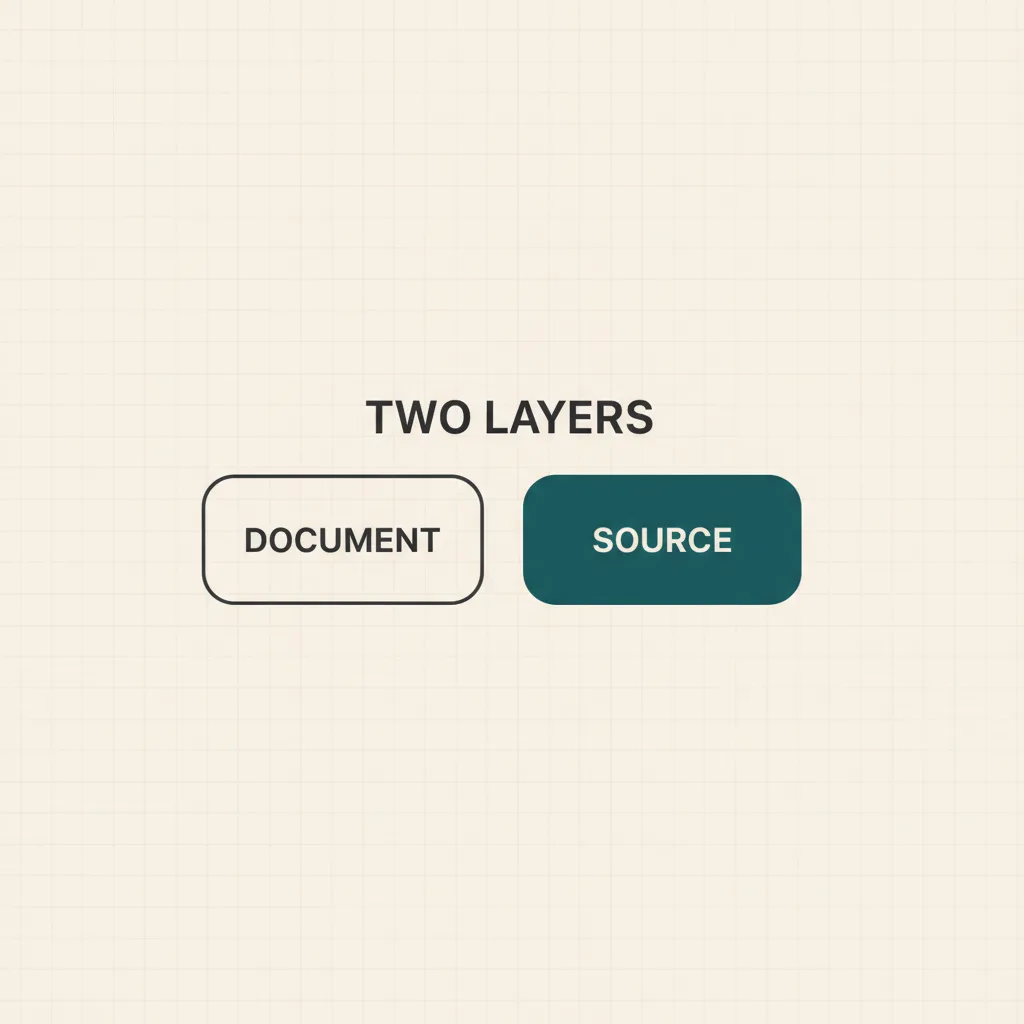
Snappt is the best-known name in rental document fraud detection, and the comparison people usually want isn't "Snappt vs. some other scanner." It's what Snappt-style verification establishes versus what it can't. That line matters more now that Snappt has expanded from fraud detection into income verification: connected payroll data (powered by Argyle, announced June 2024) and, as of June 2026, a routing product called VerifyMyWay that matches each applicant to a verification method.
Here's the honest map: what document forensics confirms, what connected data confirms, and what still requires contacting the employer: the layer called source verification.
TL;DR: Snappt analyzes submitted documents (pay stubs, bank statements, tax transcripts, and more) for signs of editing and template fraud, with a claimed 99.8% accuracy, and now adds consumer-permissioned payroll and bank verification. Both are checks on artifacts: the document the applicant handed over, or the account the applicant connected. Neither contacts the employer. A document can be authentic and describe a job that no longer exists; an applicant can decline or fail to connect payroll. Source verification (reaching the employer directly) is the layer that confirms the job itself, and it's complementary to Snappt, not a substitute.
What Snappt Actually Does (and Does Well)
Snappt's core product scans submitted financial documents for fraud. Their published numbers: analysis of 10,000+ document features, AI trained on more than 16 million documents, results in about ten minutes, and coverage of pay stubs, bank statements, tax transcripts, benefit letters, and other document types (product page). Their 2026 Multifamily Fraud Report says they analyzed over 1.4 million applicant submissions in 2025 and flagged about 5.1% as edited, with "template farms" (operations that mass-produce fake document templates and resell them) as the dominant fraud method.
Since 2024, Snappt has layered verification on top of detection: income verification through Argyle's payroll connectivity, identity verification, and the VerifyMyWay routing flow. It's also integrated into TransUnion's TruVision resident screening. Eight of the top ten property management firms use it, per their 2024 announcement. None of this is marketing fluff. Document forensics at that scale catches a category of fraud no leasing agent catches by eye, and we've said as much in our enterprise property manager guide.

The Question Every Layer Answers — and the One It Doesn't
Verification tooling in tenant screening answers one of three questions:
| Layer | The question it answers | What it can't tell you |
|---|---|---|
| Document fraud detection (Snappt's core) | "Has this document been edited or built from a fraud template?" | Whether an authentic-looking document describes a real, current job |
| Connected payroll/bank data (Snappt Income Verification via Argyle; Payscore, Truv) | "What do this account's records show?" | Anything about applicants who can't or won't connect: gig, cash-paid, small-employer, or simply unwilling |
| Source verification (employer outreach) | "Does this person work there, in this role, at this income, today?" | Nothing faster than the employer answers; it's the slowest layer, which is why it runs last |
The first two layers interrogate artifacts. The third interrogates the employment itself. That difference is where the residual fraud lives:
- A real-format document with false contents. A pay stub generated for a shell "employer" (a $50 web registration and a friend answering the phone) can be internally consistent, correctly formatted, and match no fraud template. Nothing about the file is edited. It's simply not true.
- A true document about a dead job. A genuine stub from an employer the applicant left last month passes every forensic test, because it is genuine.
- The offer letter problem. New hires have no stubs. They have an offer letter, a document type notably absent from Snappt's published coverage list. Offer letters are among the easiest documents to fabricate and the hardest to check without contacting the issuer; that's the subject of our offer letter fraud guide.
- The connection gap. Consumer-permissioned data is excellent when it completes. The applicants who fall out of the flow (no supported payroll provider, cash income, abandoned login) are disproportionately the ones a screening decision most needs verified.
How Source Verification Complements Snappt — Superunit's Layer
Superunit runs the third layer: AI agents that contact the employer directly, by phone, email, and fax in parallel, using contact information looked up independently and never taken from the document or the application. The agent confirms employment status, title, start date, and income where the employer discloses it, and returns a documented result: every attempt timestamped, every call recorded and transcribed.
The operational fit alongside a Snappt-style stack is straightforward. Document detection and data connections run on everything, cheap and fast. Source verification runs on what falls through: the applicant whose payroll won't connect, the new hire with only an offer letter, the document that passed forensics but tells a convenient story, the income the decision genuinely rides on. For tenant screening operators, half of Superunit's outreach verifications complete within 24 hours and three-quarters within 48 (inside a leasing window), priced per completed verification with no subscription. The full workflow is on our tenant screening solution page.

Sequencing Snappt and Superunit in One Stack
If you're framing this as "Snappt vs. Superunit," the honest answer is that they're different layers, and a fraud-serious screening operation runs both:
- Volume screening, mostly W-2 applicants, fraud showing up as doctored documents → document fraud detection carries most of the load.
- Fraud that keeps arriving as plausible documents (approved applicants who stop paying, employment that evaporates at move-in) → the gap is source verification, because your documents were never the problem.
- High-stakes approvals (luxury units, guarantors, corporate leases) → verify at the source regardless of what the documents say.
Frequently Asked Questions
Does Snappt verify employment? Snappt offers income verification through consumer-permissioned payroll and bank connections (powered by Argyle) and document analysis. It does not contact employers. Employment verification by direct employer outreach, called source verification, is a separate layer.
Does Snappt catch fake pay stubs? Edited and template-generated pay stubs, yes. That's its core competency, with a claimed 99.8% accuracy on document fraud detection. What no document scanner can catch is an authentic-format document whose underlying facts are false; see our guide to spotting fake pay stubs for where the line sits.
What does Snappt cost? Snappt doesn't publish pricing; quotes are custom. Superunit publishes per-completed-verification pricing with no subscription, though note the two aren't substitutes; they verify different things.
What are the alternatives to Snappt? For document fraud detection: Docuverus and the fraud-detection features inside screening platforms like TransUnion's TruVision (which itself integrates Snappt). For connected income data: Payscore, Argyle, and Truv. For source verification (confirming employment with the employer directly), that's Superunit's layer. Most operators combine one tool per layer rather than choosing one vendor for everything.
Is document fraud detection enough on its own? It filters out fabricated and edited documents, which by Snappt's own 2025 data is about 5% of submissions. The screening risk that remains, real documents about unreal employment, concentrates in exactly the population document review clears. Whether that residual risk matters depends on your portfolio's fraud exposure; our rental application fraud guide covers how to size it.
The Document Is the Claim. The Employer Is the Fact.
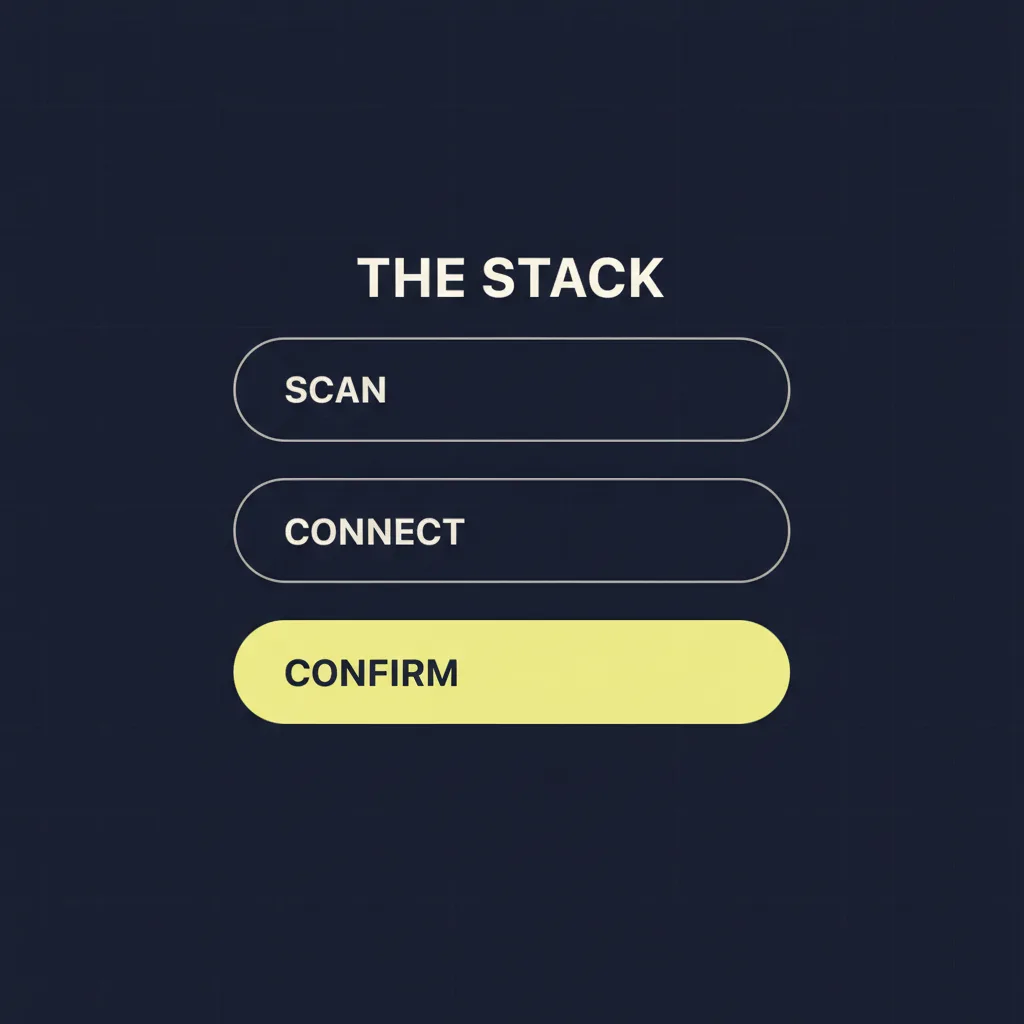
Snappt made document fraud expensive for fraudsters, and its move into connected income data closes another door. What's left open is the door no artifact-checking tool can close: employment that has to be confirmed with the human beings who provide it. Layer the tools in that order (scan, connect, confirm) and each one covers the failure mode of the last.