Experian Verify is Experian's employment and income verification service, built on the second-largest instant payroll network in the U.S. The main alternatives are The Work Number, Superunit, Truework, Truv, and Argyle. They differ most in where the data comes from when no payroll record exists.
What is Experian Verify and how does it work?
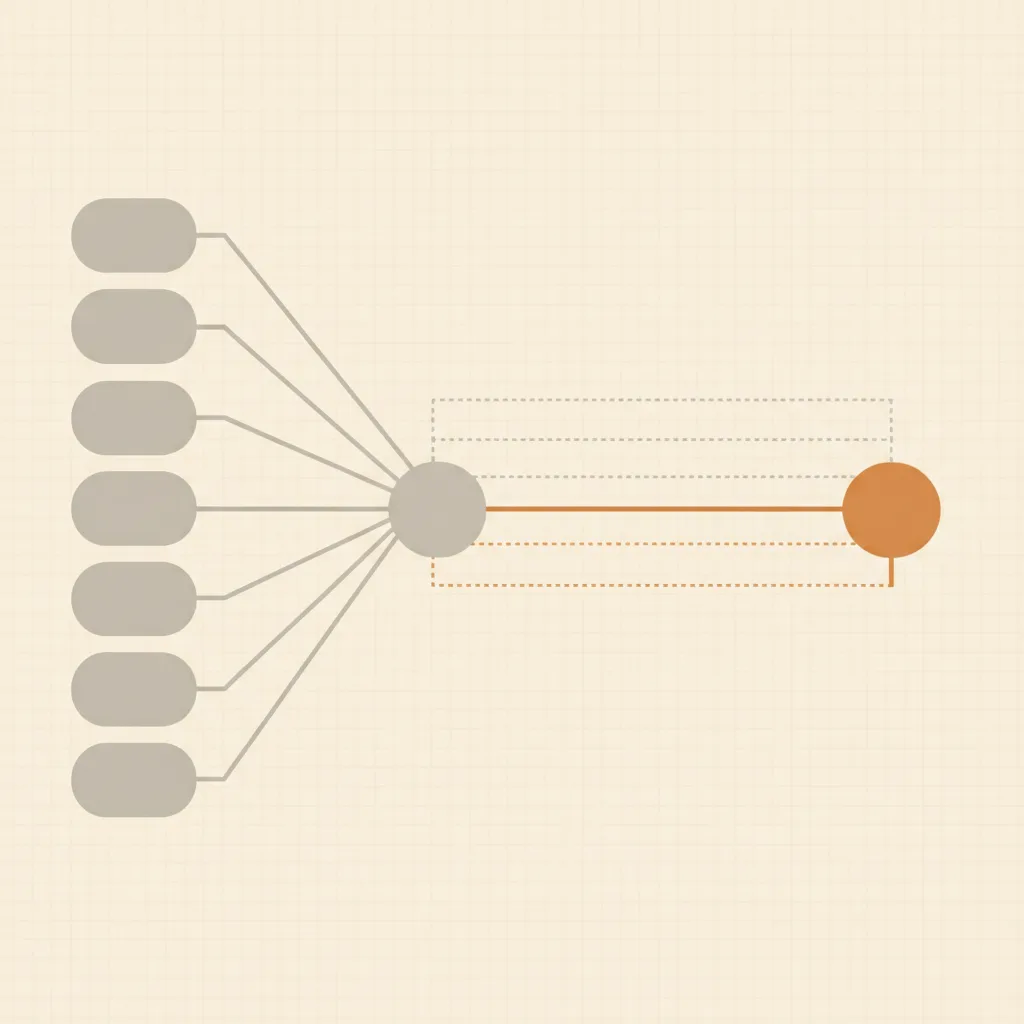
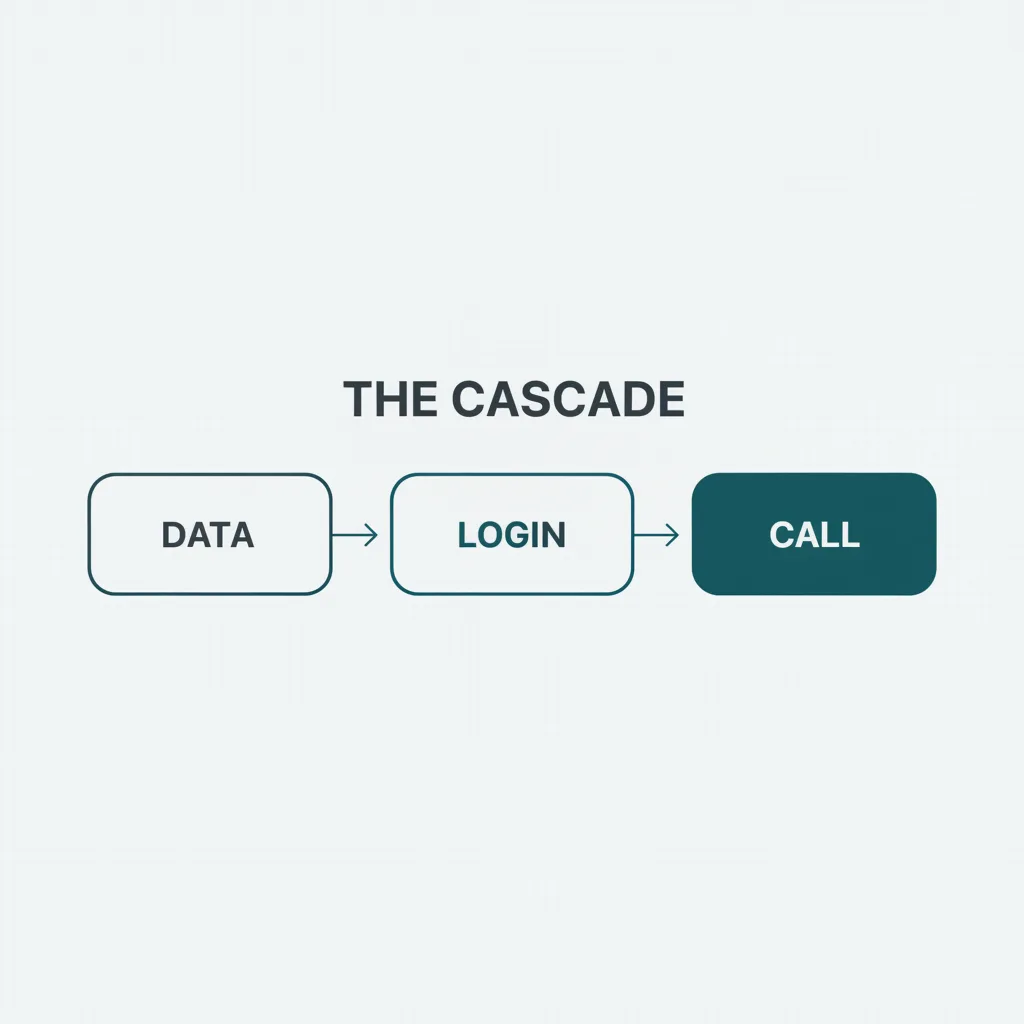
Experian Verify processes requests through a three-step automated waterfall. It begins with the instant employer payroll network, moves to a consumer-permissioned login, and ends in a manual research phase.
The instant network relies on employer-direct data and payroll provider data. An Experian infographic cites 65 million records ingested each pay cycle. Experian integrated Verify with Workday in September 2026, allowing Workday customers to verify through Experian as part of Workday Total Benefits. Experian says this network now has a path to more than 80 million records, representing more than half of U.S. payroll employees.
When the instant network returns no record, the waterfall moves to the permissioned step. Consumers connect their payroll accounts directly to supply the data. If the consumer does not connect an account, the request routes to Experian Verify Research. This final step combines a conversational AI agent and a secure employer-facing online form with Experian's call center. Experian markets 100 percent U.S. workforce coverage through this full cascade of instant, permissioned, and research steps.
The system generates several report types based on the user's requirements:
- Core: The most recent employment record within 90 days.
- Plus: The most recent payroll record within 90 days.
- Premium: The two most recent payroll records within 90 days, plus the last record from every employer in the current and two prior years.
- Reverify VOE and Reverify VOIE: Pulled within 180 days of the initial pull for mortgage originations.
- Employment Screening: All employment records for pre-employment screening only.
- Government: Six months of paystubs.
Experian Verify is an authorized income and employment validation report supplier for Fannie Mae's Desktop Underwriter validation service. It is also supported by Freddie Mac's Loan Product Advisor AIM. Experian added an integration with ICE Encompass in August 2026.
How much does Experian Verify cost?
The web portal charges a fixed price per single transaction, paid by credit card. Batch and API delivery methods use variable pricing by use case. Experian does not publish these rates.
Experian says it charges only when a consumer is successfully verified, not simply when an employer record is found. Users can access a free Preview Report, introduced in March 2026, which shows which employers are linked to a consumer and which records are instantly available before ordering a full VOIE.
By comparison, how much The Work Number costs is publicly documented, with a published starting price of $73.45 per report.
Why do teams look for Experian Verify alternatives?
Experian's instant database has a path to more than half of U.S. payroll employees. This leaves small employers, cash payrolls, self-employed workers, and defunct companies outside the network. Roughly 30 to 40 percent of applicants have no connectable payroll record.
The permissioned step requires the applicant to finish a payroll login. The research step turnaround time and audit detail are controlled entirely by the vendor.
Operations teams look for alternatives to avoid the cost of stacking two databases while still paying for a manual fallback process. Direct employer outreach completes about 70 percent of the verifications it receives, operating at single-digit dollars per completed verification.
Experian Verify vs. alternatives at a glance
| Vendor | Verification model | What happens when the database misses | Pricing model | Best fit |
|---|---|---|---|---|
| Experian Verify | Instant, permissioned, and research waterfall | Moves to conversational AI, forms, and call center | Web portal fixed; API variable (pay per success) | Encompass and Workday users |
| The Work Number | Instant database | No fallback; a miss returns no record | Starting at $73.45 per report | High-volume operations |
| Superunit | Direct employer outreach (AI agents) | Platform runs after a database miss | Single-digit dollars per completed verification | Teams needing audit trails for database misses |
| Truework | Instant, permissioned, and manual cascade | Leaves cases to a thin manual fallback | Pay per completed verification; rates not published | Operations consolidating verification methods |
| Truv | Consumer-permissioned connections | Stalls without direct outreach fallback | Pay per success; rates not published | Payroll-connected borrowers |
| Argyle | Consumer-permissioned connections | Does not contact the employer | Not published | Gig and hourly workers |
The 5 best Experian Verify alternatives
1. The Work Number (Equifax)
How it works: The Work Number holds the largest instant employment database. It covers about 40 percent of U.S. employers. Equifax absorbed Vault Verify to expand this coverage.
Where it's strong: The system returns immediate hits for millions of standard W-2 payroll records.
Where it falls short: The published price starts at $73.45 per report. Equifax raised prices in January 2026. Lenders suing Equifax in 2024 cited individual verification costs at $66.45, up from under $20 a decade earlier.
Best for: High-volume operations requiring the largest initial data pool. You can explore The Work Number alternatives for more direct comparisons.
2. Superunit
How it works: AI agents call, email, and fax employers directly to verify employment and income. The platform logs every attempt and produces call recordings, transcripts, and timestamps to build audit trails for FCRA, Fannie Mae, and Freddie Mac requirements.
Where it's strong: The system covers employers outside payroll databases and completes about 70 percent of the verifications it receives. Users pay single-digit dollars per completed verification, charged only on a hit.
Where it falls short: It is not instant. Outreach takes hours rather than seconds, so a payroll-connected record will come back faster from a database.
Best for: Teams needing an automated direct-outreach layer designed to run after a database miss. Learn more on the employment and income product page.

3. Truework
How it works: Truework runs a cascade of instant data, consumer-permissioned login, and manual employer outreach. Checkr owns the company.
Where it's strong: The platform combines three verification methods in one system.
Where it falls short: The cascade completes about three in four verifications. This leaves hard, small-employer cases to a thin manual fallback.
Best for: Operations seeking a single combined vendor. See how it compares to Truework alternatives.
4. Truv
How it works: Truv provides consumer-permissioned payroll and bank connections. Checkr owns the platform.
Where it's strong: The process is fast and cheap for payroll-connected borrowers. Freddie Mac includes Truv on its AIM roster.
Where it falls short: The system stalls when the applicant does not complete the connection. It offers no direct employer outreach fallback.
Best for: Workflows relying on applicants to connect their own accounts.
5. Argyle
How it works: Argyle relies entirely on consumer-permissioned payroll connectivity.
Where it's strong: The platform verifies gig and hourly workers. Snappt's income verification links payroll data through Argyle. Freddie Mac includes Argyle on its AIM roster.
Where it falls short: Argyle does not contact the employer.
Best for: Tenant screening workflows and gig-economy verifications.
Experian Verify vs. The Work Number: which should you run first?
The Work Number holds the largest instant database, covering about 40 percent of U.S. employers. Experian Verify offers a free Preview Report to identify available records before ordering a full VOIE. Equifax charges per report, while Experian says it charges only when a consumer is successfully verified. Both vendors operate authorized systems for Fannie Mae's Desktop Underwriter validation service and Freddie Mac's Loan Product Advisor AIM.
High-volume teams often run both databases, then fall back to direct employer outreach for the remainder.
What to do when Experian Verify returns no record (Superunit's approach)
- Check a second instant database.
- Send a consumer-permissioned payroll link.
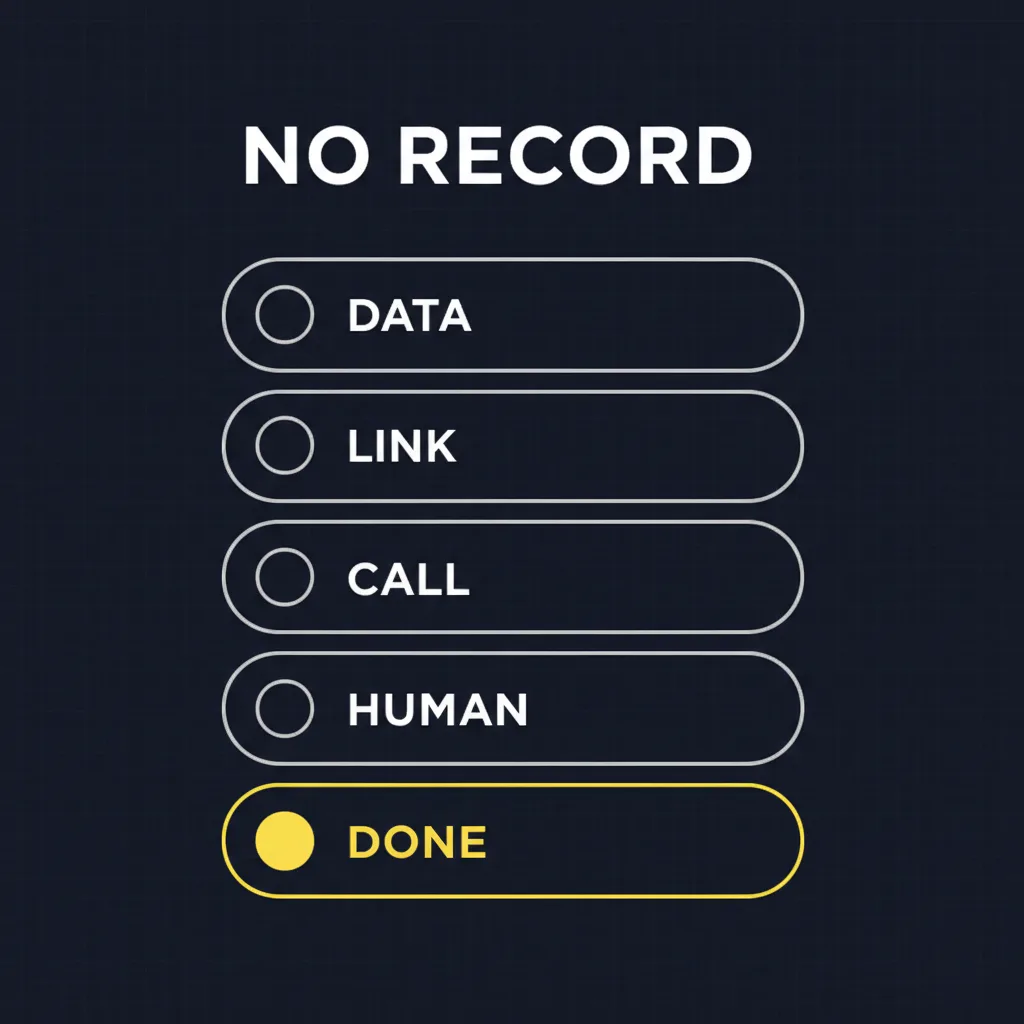
- Contact the employer directly by phone, email, and fax, logging every attempt with timestamps.
- Escalate unresolved cases to a person.
- Review standard employment verification waterfall practices to understand what happens when The Work Number can't verify records.
Superunit automates step 3, running phone, email, and fax outreach in parallel and recording every attempt.
How to choose an Experian Verify alternative
Mortgage lenders require a verbal VOE within 10 business days before the note date to meet Fannie Mae and Freddie Mac guidelines. Lenders need a vendor that produces full audit logs to satisfy these requirements when instant databases fail.
Consumer reporting agencies must meet FCRA compliance standards. They rely on direct employer contact for applicants outside large payroll systems. Logging every attempt with timestamps builds the compliant record background screeners require.
Tenant screening operators process applications for gig workers, hourly employees, and cash earners. Property managers use consumer-permissioned tools to verify income quickly.
Staffing and HR teams need to clear candidates without creating friction. Stacking an instant database with a direct outreach tool keeps the hiring pipeline moving. This setup prevents recruiters from asking the applicant to track down pay stubs.
Frequently asked questions
Is Experian Verify FCRA compliant?
Experian describes the framework as FCRA compliant. The system combines database records, consumer permission, and research steps to verify employment for consumer reporting purposes.
Does Experian Verify cover small employers?
Experian markets 100 percent U.S. workforce coverage through its full waterfall. Roughly 30 to 40 percent of applicants have no connectable payroll record, requiring Experian's manual research step to contact small employers.
Is Experian Verify accepted by Fannie Mae and Freddie Mac?
Yes. Experian Verify is an authorized income and employment validation report supplier for Fannie Mae's Desktop Underwriter validation service. It is supported by Freddie Mac's Loan Product Advisor AIM.
How much does an Experian Verify report cost?
The web portal charges a fixed price by credit card. Batch and API pricing is variable by use case and is not published. Experian says it charges only when a consumer is successfully verified.
Is there a free alternative to Experian Verify?
There are no free instant databases for employment verification. Teams can run manual verifications internally for the cost of their employees' time. Experian Verify offers a free Preview Report to check if a record exists before buying.
What's the difference between Experian Verify and Experian Employer Services?
Experian Employer Services is the employer-side product. Experian fulfills verification requests on behalf of employers at no cost to the employer. These records feed Experian Verify.