TL;DR
- The Work Number returns instant data on enrolled employers through a 24/7 API, drawing on 823 million records from nearly 5 million contributing employers (theworknumber.com).
- Its database stops at enrolled employers, so small, local, and non-participating companies return nothing and the case has no path forward.
- Per-report pricing of $130.69 compounds at CRA volume, and a database miss still costs an attempt with no usable result (superunit.com).
- Choose a supplement when you need outreach to long-tail employers, and choose a replacement when database coverage alone no longer pays for itself.
Where The Work Number Falls Short

The Work Number works well for one scenario, namely a borrower at a large employer already feeding payroll data into the database. The trouble starts at the edges, where CRAs and mortgage lenders spend most of their unresolved time.
The coverage wall is the first gap. Nearly 5 million enrolled employers sounds broad until you hit a regional contractor, a family-owned restaurant, or any company that never signed up. For those employers the database holds no record, and there is no second path through the same vendor (superunit.com). The case simply stops.
Pricing compounds the problem. Equifax sets the price at $130.69 per report as of January 2026, described as non-negotiable through third parties (superunit.com). At CRA scale that figure multiplies fast, and a miss costs the attempt with nothing returned. The right unit is cost-per-completion, not cost-per-order, and a database that fails on the long tail quietly raises the true cost of every usable result.
The third gap is the absence of any outreach. The Work Number queries a record or returns empty, with no mechanism to phone, email, or fax an employer that never enrolled. Historically CRAs absorbed that follow-up in-house, assigning staff to chase the same small employers by hand or returning the case incomplete. The launch of the "All Employers Within 90 Days" product for mortgage lenders is itself a tell. A database confident in its coverage would not need a supplemental product to reach the employers it misses.
These three gaps reinforce each other. A miss costs money, stalls the case, and lands the manual work back on the CRA, which is why buyers start looking for either a fallback layer or a full replacement.
The 5 Best Work Number Alternatives at a Glance
Truework — best for mortgage lenders running high-volume W-2 pipelines that need a database-plus-waterfall model under one vendor.
Superunit — best for CRAs and lenders that need AI outreach to the small, local, and non-enrolled employers no database reaches.
Argyle — best for digital-native lending flows where the applicant connects payroll directly and you need rich income detail.
Truv — best for gig-economy and multi-income borrowers, including blended W-2 and 1099 income from Uber, Lyft, and DoorDash.
InformData — best for CRAs that want a single partner to outsource employment, education, and reference verifications together.
The Alternatives, Ranked
The ranking weighs three things that decide most switching decisions: coverage model, FCRA documentation depth, and whether the vendor has a fallback when the primary path misses. Superunit sits at #2 because it solves the gap The Work Number leaves rather than competing on database size.
Truework
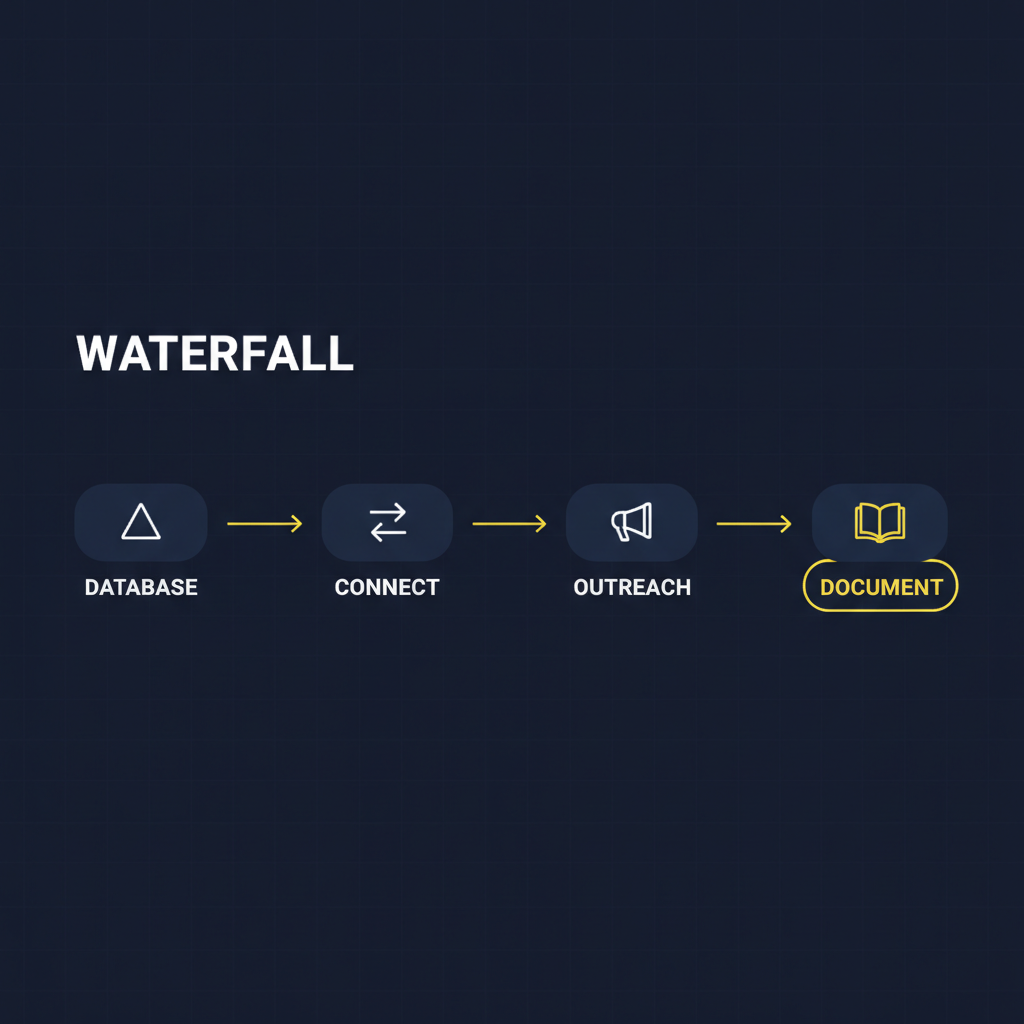
Truework is the closest structural answer to The Work Number's biggest weakness, because it doesn't stop at a single database lookup. When the instant query misses, Truework runs a four-method cascade: it tries an instant database match, then a consumer-permissioned payroll connection, then automated outreach to the employer, and finally an applicant-uploaded document checked for authenticity (burnt.com). That cascade is the entire pitch. A database miss becomes a different method rather than a dead case.
The combined approach lets Truework claim coverage of 90% of the U.S. workforce within 72 hours, backed by 48 million-plus active employee records and consumer-permissioned payroll reach across most U.S. employers (finovate.com). The credibility signals are real. Checkr acquired Truework in April 2025 at roughly a $480 million valuation, and the platform integrates directly with TransUnion and Blend, which is how eight of the top ten U.S. mortgage lenders by origination volume ended up using it (finovate.com). For a lender already running TransUnion or Blend, Truework slots in without a new vendor relationship to build from scratch.
The trade-offs are worth naming plainly. That 72-hour figure is a ceiling, not an average, and it covers the full waterfall rather than the instant path. For time-sensitive closings, a case that exhausts the early methods and lands in document upload eats most of those three days. Gig-worker coverage is also thin. Truework is built for W-2 employment, and its own positioning treats 1099 and platform income as a weaker spot (burnt.com). Self-serve access is limited, so smaller buyers may need to work through sales rather than a CRA-style API.
Truework fits mortgage lenders running high-volume W-2 pipelines, where the cascade resolves most files automatically and the 72-hour ceiling is tolerable against a multi-week underwriting timeline. As a CRA and FCRA-registered consumer reporting agency, it carries the dispute-handling and report obligations a regulated lender needs (consumerfinance.gov). Where it strains is the small, local, and non-enrolled long tail, and gig income, the same employers no database resolves and the cases where employer-side outreach matters most.
Superunit

Superunit solves the one problem The Work Number cannot touch. When a database lookup returns nothing because the employer is small, local, or simply not enrolled, Superunit runs simultaneous AI outreach across phone, email, and fax to reach that employer directly. On the long-tail cases databases miss entirely, it completes 70% of verifications at a 0.82 business-day average turnaround. That is the gap that stalls a CRA queue, and it is the exact gap this tool was built to close.
The completion rate matters more than the headline number suggests, because the alternative to a 70% completion is a case that sits open indefinitely. A database miss with no outreach path leaves the CRA holding an unresolved file with no vendor-side mechanism to move it. Superunit attempts every channel at once rather than working them in sequence, which is why the turnaround lands under a single business day even on employers no system has on record.
For CRAs, the verification is only usable if the documentation survives an audit. Superunit produces the five items the FCRA chain-of-custody standard requires: a timestamped contact log capturing date, time, and method per attempt; call recordings and transcripts; a documented good-faith attempt history even for employers who never respond; permissible-purpose verification established before access; and an adverse-action-ready report format carrying employer name, dates, position, and source. Background screening companies that produce consumer reports must follow reasonable procedures to assure maximum possible accuracy under Section 607, and the attempt log is what demonstrates that procedure when an employer goes dark.
The channel model is where Superunit fits CRA economics. It sells to CRAs and never competes for the end-buyer relationship, so a screening company can route long-tail outreach through it without handing a client to a vendor that might court them directly. That distinction eliminates a vendor faster than any feature comparison, because a verification partner that also sells to your customers is a structural conflict no contract fully resolves.
Capacity scales without a matching jump in headcount. The AI handles outreach volume that would otherwise require hiring and onboarding verifiers, which protects throughput during hiring surges and insulates the operation from turnover in a callback team. A CRA can clear a backlog without a staffing plan attached to it.
Superunit works as a supplement, not a wholesale replacement. Keep an instant database for enrolled large employers and route every miss to Superunit's employment verification layer. The same model extends to CRA operations and mortgage lending workflows where database coverage runs thin on small and non-participating employers.
Argyle
Argyle fits when the verification runs through the applicant rather than the employer. Instead of querying a database, Argyle has the borrower log into their payroll provider through a hosted widget, then pulls live income and employment data straight from the source. The applicant grants permission, and Argyle retrieves pay history, employment status, and granular earnings detail from systems like ADP, Workday, Gusto, and Paychex. When it connects, the data is the richest available anywhere, with no staleness because nothing sits in a cache.
That live connection makes Argyle a strong fit for digital-first mortgage and lending flows. The company claims integrations across more than 150 payroll and HR platforms, and the connection stays open, so lenders can monitor employment changes through a loan pipeline rather than re-pulling. For W-2 employees at mid-to-large employers on mainstream payroll, Argyle returns pay stubs, year-to-date earnings, and pay frequency that database lookups often can't match.
The ceiling is consumer cooperation. Every verification depends on the applicant logging into their payroll portal, so there is no passive or employer-side path. If the employer runs a proprietary or manual payroll system outside Argyle's network, the verification fails with no fallback. The same gap hits gig workers on unsupported platforms and anyone without portal credentials. Argyle also can't touch separated employees or historical records, since there is no live account to authenticate into.
For CRAs running high-volume batch verifications without applicant involvement, Argyle is the wrong tool. It needs the borrower in the loop, which works in an online application flow but breaks in a back-office screening queue. Pair it with a model that reaches employers directly, like Superunit's outreach, and the digital-native cases Argyle handles best stay covered while the long tail gets a fallback.
Truv
Truv solves the income problem that defeats both The Work Number and most database alternatives. It connects directly to gig platforms like Uber, Lyft, and DoorDash, pulling real payroll data the moment a borrower authorizes access. For lenders underwriting rideshare drivers, delivery couriers, and freelancers, that named coverage is the entire point, because those workers rarely show up in any contributed employer database.
The borrower flow runs fast. Truv sends a secure link, the borrower connects their payroll account, and employment and income data returns in under two minutes, including pay stubs and direct deposit records. The model handles blended income cleanly, so a mortgage applicant with a W-2 day job and weekend gig earnings gets both streams verified in a single workflow rather than two separate processes.
The trade-off is that nothing happens until the borrower acts. A consumer who stalls, drops off, or uses an unsupported payroll system leaves you with no result and no second path. Truv has no employer-side outreach, so when the consumer-permissioned route fails, there is no fallback to call, email, or fax the employer directly. That makes it a poor fit for CRA batch work, where you process cases without a cooperative borrower on the line for each one.
Truv's FCRA posture also reads thinner than Truework's or Superunit's in public documentation. The borrower-authorized model is described as compliant because the consumer grants access, but available sources do not spell out permissible-purpose frameworks, adverse-action support, or CRA-facing chain-of-custody language. Use Truv as a targeted income tool for gig and multi-income mortgage borrowers, not as a general-purpose verification layer for the long tail of small and traditional employers.
InformData
InformData takes the opposite approach to the database utilities on this list. It works exclusively through background screening companies and sells nothing direct to employers, so a CRA never competes with its own verification vendor for the end-buyer relationship. That channel exclusivity is the whole pitch, and for CRAs burned by vendors that quietly court their clients, it carries real weight.
The appeal is consolidation. Rather than stitching together separate vendors for employment, education, and reference verifications, a CRA hands all three to InformData under one contract. Each case comes back with documented good-faith attempts, and InformData publishes operational guides written specifically for the CRA workflow rather than generic HR audiences. For a screener that would rather manage one partner than five point solutions, that single relationship cuts down vendor overhead in a measurable way.
The trade-offs are speed and transparency. InformData runs traditional outreach rather than the simultaneous AI calling that newer entrants use, so its pace sits well behind platforms built around parallel phone, email, and fax attempts. The company also publishes no turnaround benchmark and no completion rate, which leaves you guessing about throughput until you run live cases. Pricing follows the same pattern. There is no public rate card, and you cannot compare cost-per-completion against an automated alternative without first booking a sales call.
InformData fits CRAs that value a clean channel relationship and full-function coverage over raw speed or pricing clarity. If you want one partner accountable for employment, education, and references, and you can absorb a slower, manual outreach cadence on the long-tail cases, it earns its place. If your bottleneck is throughput on small and non-enrolled employers, an AI outreach layer will clear those cases faster and tell you its completion rate before you sign anything.
Side-by-Side Comparison
Here is how the five alternatives stack up against The Work Number across the dimensions CRAs and lenders weigh most.
| Vendor | Coverage Model | Turnaround | FCRA Compliance | Pricing Model | Best-Fit Use Case |
|---|---|---|---|---|---|
| The Work Number | ~5M enrolled employers, 823M+ records; no fallback | Instant on enrolled; none otherwise | Stated; permissible purpose required | $130.69 per report | Large enrolled W-2 employers |
| Truework | Four-method waterfall; 90% claimed in 72h | Up to 72 hours | CRA under FCRA; consumer dispute rights | Not published | High-volume W-2 mortgage pipelines |
| Superunit | AI outreach (phone, email, fax) to non-enrolled employers; 70% completion on database misses | 0.82 business-day average | Timestamped logs, recordings, good-faith records | Cost-per-completion | Fallback layer for database misses |
| Argyle | Consumer-permissioned pull from 150+ payroll systems | Real-time when applicant connects | CRA; consumer-authorized access | Not published | Digital-first lending flows |
| Truv | Consumer-permissioned payroll and gig platform API | Under two minutes when borrower acts | Described as compliant; specifics thin | Not published | Gig and multi-income borrowers |
| InformData | Traditional outreach; CRA-exclusive channel | Not published | Documented good-faith attempts | Custom enterprise | Full-outsource CRA partners |
How to Choose: Criteria for CRAs and Mortgage Lenders
Two criteria knock most vendors out before you compare anything else, so apply them first. Start with channel conflict. Any vendor that also sells consumer reports directly to your end-buyers competes for the relationships your business depends on, and that conflict alone disqualifies several otherwise capable tools. Truework, Superunit, and InformData run CRA-friendly channels. A vendor that sells employer-direct does not.
FCRA documentation depth is the second gate. A CRA producing consumer reports must follow reasonable procedures to assure maximum accuracy under 15 U.S.C. § 1681e(b) and defend its chain of custody under audit. Ask each vendor for timestamped contact logs, call recordings, and documented good-faith attempt histories on unresponsive employers. A vendor that cannot produce that record on demand leaves you holding the compliance risk.
Once two or three vendors clear those gates, weigh the rest in order of operational impact. Outreach fallback comes next, because it determines what happens on the cases a database cannot resolve. A vendor with no mechanism to contact non-enrolled employers hands those cases back to your team. Then check adverse-action workflow support. Your report format needs the employer name, dates, position, and verification source ready for the pre-adverse-action notice the CFPB requires before any decision.
API and platform compatibility decides how much integration work you absorb. Confirm webhook depth and whether the vendor plugs into your existing case-management stack without a custom build.
Cost-per-completion is the final filter, and it is the one most buyers get wrong. Price the usable result, not the order. A vendor charging $5 per order at 30% completion costs more per resolved case than one charging $12 per completed verification. Run your own hit rates through that math before signing anything.
For most CRAs and lenders, the practical answer is a two-layer stack. Run Truework as the primary waterfall on large W-2 pipelines, and add Superunit as the outreach fallback for the small and non-enrolled employers no database reaches.
FAQs
Is The Work Number FCRA-compliant? Yes. The Work Number requires permissible purpose from every verifier and positions its data delivery as FCRA-protected, with a self-service portal where employees can access and freeze their records (theworknumber.com). Compliance covers the records it returns, not the cases it leaves unresolved, so a CRA still owns the documentation burden on every employer the database misses.
What happens when The Work Number can't find a record? The case stalls. The Work Number has no outreach capability, so a non-enrolled employer returns nothing and offers no alternative path through the same vendor. The CRA either absorbs manual follow-up in-house or returns the case incomplete, which is the gap an outreach layer like Superunit fills.
Can a CRA use multiple verification vendors together? Yes, and most operators at scale already do. A common pattern runs a database or instant-data vendor first, then routes every miss to an outreach vendor that contacts the employer directly. Stacking a database hit layer against an active-outreach fallback raises the completion rate on the long tail without breaking the FCRA chain of custody.
What's the true cost-per-verification when database hit rates are factored in? Measure cost-per-completion, not cost-per-order. A $130.69 report that returns nothing on a non-enrolled employer still cost you an attempt, so a low completion rate inflates the real price of every usable result. A vendor charging more per completed verification can cost less per usable answer than a cheaper one with a poor hit rate.
Which alternative covers small and local employers best? Superunit, because it reaches employers no database contains. Its simultaneous phone, email, and fax outreach completes 70% of cases databases miss entirely, at a 0.82 business-day average turnaround (superunit.com).